How to Change Oil and Oil Filter in 3 Easy Steps
To change your oil and oil filter in three easy steps, first gather your tools and warm up your car, then drain the old oil by removing the drain plug and old filter. Next, install the new oil filter and seal it with fresh oil. Finally, add the recommended amount of new oil, check the level, and inspect for leaks before tightening everything up. Keep going to discover tips that save time and keep your engine healthy longer.
Get Tools Ready and Prepare Your Car for an Oil Change
Before you begin changing your oil, gather all the necessary tools and prepare your car properly. You’ll need a wrench or socket set, an oil filter wrench, a drain pan, new oil, a new oil filter, and gloves.
Also, have some rags or paper towels handy for spills. Next, park your car on a level surface and engage the parking brake to keep it secure.
If your engine is cold, start it and let it run for a few minutes to warm the oil—this helps it drain more easily. Then, turn off the engine and let it cool slightly to avoid burns.
Finally, locate your oil filler cap and oil drain plug so you’re ready for the next steps.
Drain Old Oil and Replace the Oil Filter
Start by placing the drain pan beneath the oil drain plug to catch the old oil.
Loosen the drain plug with a wrench, then carefully remove it by hand, letting the oil flow out completely.
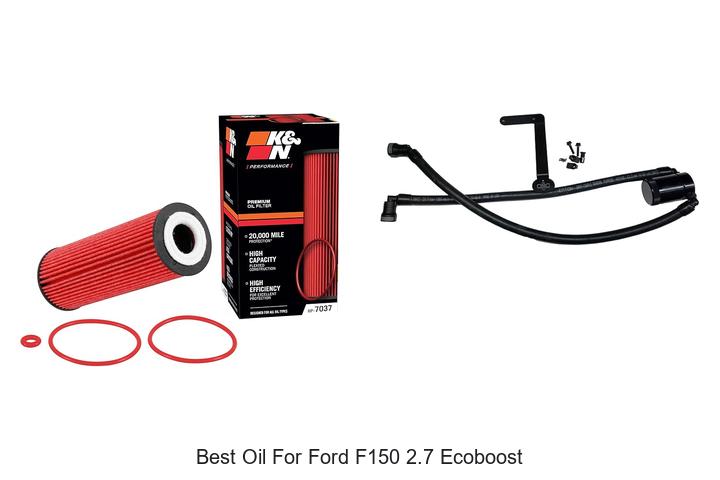
While the oil drains, locate the oil filter—usually on the engine block—and use an oil filter wrench to remove it.
Prepare the new filter by applying a thin layer of fresh oil on its gasket to guarantee a good seal.
Install the new filter by hand, tightening it snugly but not too tight.
- Use gloves to avoid hot oil contact
- Keep the drain plug in a safe spot
- Check the old oil for unusual debris
- Dispose of used oil and filter properly
- Clean the area around the drain plug before reinstalling
Add New Oil and Check for Leaks to Complete Your Oil Change
Pour the recommended amount and type of new oil into the engine through the oil filler cap, using a funnel to prevent spills.
After filling, replace the oil cap securely. Start the engine and let it run for a minute to circulate the oil.
Turn off the engine and wait a few minutes, then check the oil level with the dipstick. Add more oil if necessary, but don’t overfill.
Next, inspect the oil drain plug and filter area for leaks. Tighten any loose components if you spot drips.
Finally, clean up any spilled oil and dispose of the used oil and filter properly.
Frequently Asked Questions
How Often Should I Change My Car’s Oil?
You should change your car’s oil every 3,000 to 5,000 miles or follow your owner’s manual. If you drive in tough conditions, change it more often to keep your engine running smoothly and avoid damage.
What Type of Oil Is Best for My Vehicle?
When it comes to oil, don’t put all your eggs in one basket; use the type your owner’s manual recommends. Usually, synthetic oils offer better protection and performance, especially in extreme temperatures and high mileage.
Can I Recycle Used Motor Oil?
Yes, you can recycle used motor oil! Just collect it in a clean container and take it to a recycling center or auto shop. Recycling helps protect the environment and conserves valuable resources. Don’t toss it!
What Are Signs My Oil Needs Changing?
Imagine your car’s engine making a knocking noise—that’s a sign your oil needs changing. You’ll also notice dark, dirty oil on the dipstick or the oil change light flashing on your dashboard. Don’t ignore these!
Is Synthetic Oil Better Than Conventional Oil?
Yes, synthetic oil is better because it lasts longer, resists breakdown, and protects your engine in extreme temperatures. You’ll get improved performance and fewer oil changes compared to conventional oil, saving you time and money.
Conclusion
Changing your oil and oil filter yourself saves time and money while keeping your engine healthy. Just remember, “a stitch in time saves nine”—regular maintenance prevents bigger problems down the road. By preparing your tools, draining old oil, swapping the filter, and adding fresh oil carefully, you’re giving your car the care it deserves. Stay consistent with these simple steps, and you’ll keep your engine running smoothly for miles to come.