Best Engine Oil for BMW 5 Series – Top Picks Revealed!
Choosing the right engine oil can make a noticeable difference in how your BMW 5 Series performs and lasts over time. The best engine oil for BMW 5 Series models helps protect the engine, improves fuel efficiency, and maintains smooth operation under varying conditions. Selecting oil designed to meet BMW’s specific requirements is important for drivers who want to keep their vehicle running smoothly and avoid costly repairs.
This review will focus on key engine oils suitable for the BMW 5 Series, highlighting their main features and benefits without unnecessary technical jargon. You can expect practical information about compatibility, performance in different climates, and how each option aligns with manufacturer standards.
Whether you use your BMW daily or for longer trips, this guide aims to help you make an informed choice for your car’s maintenance needs.
Unlock Top Performance: Expert Picks to Keep Your BMW 5 Series Running Smoothly
| Image | Product | Price |
|---|---|---|
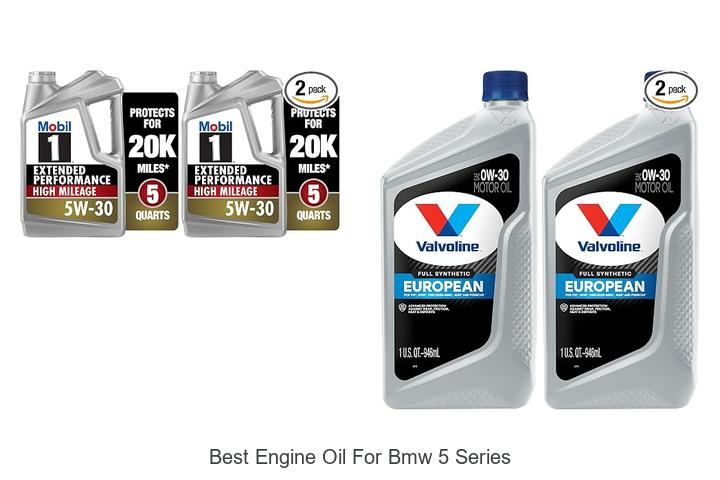
Our Pick 1  | Mobil 1 5W-30 Full Synthetic Motor Oil | Check Price |
Our Pick 2  | Valvoline European Vehicle Full Synthetic Motor Oil 0W-30 | Check Price |
1. Mobil 1 5W-30 Full Synthetic Motor Oil
Mobil 1 5W-30 Full Synthetic Motor Oil delivers exceptional engine protection tailored for high-mileage vehicles. It offers advanced formula features that help keep your engine clean and running smoothly over extended periods.
Designed with Mobil 1’s Triple Action+ Formula, it combines superior wear protection, cleanliness, and power. Whether tackling daily drives or long hauls, this oil maintains engine durability and efficiency even in extreme temperatures.
The Extended Performance High Mileage formula is ideal for engines with over 75,000 miles. It allows for oil change intervals up to 20,000 miles when following manufacturer recommendations. This helps reduce maintenance frequency while safeguarding your engine from wear and deposits.
This helps reduce maintenance frequency while safeguarding your engine from wear and deposits.
This motor oil meets ILSAC GF-6 standards by providing protection against low-speed pre-ignition and timing chain wear. Its excellent heat tolerance protects engine components up to 500 degrees Fahrenheit. The oil also flows well at low temperatures, maintaining performance down to -40 degrees Fahrenheit.
Replacing traditional oils, Mobil 1 5W-30 protects against sludge buildup and harmful deposits to extend engine life. Its full synthetic base ensures quick lubrication at startup and sustained protection under stress.
The 5-quart pack with two bottles offers convenience for thorough maintenance.
Pros
- Allows up to 20,000 miles between oil changes for extended use
- Effective protection against engine sludge and wear for high-mileage vehicles
- Meets ILSAC GF-6 standards to reduce low-speed pre-ignition and timing chain wear
Cons
- Specifically formulated for high-mileage engines, may be less suitable for new engines
Mobil 1 5W-30 Full Synthetic Motor Oil stands out for high-mileage BMW 5 series owners seeking lasting protection. Compared to conventional oils, it reduces maintenance needs and improves engine cleanliness. Its balanced formula supports enhanced performance and engine longevity during extended drives.
2. Valvoline European Vehicle Full Synthetic Motor Oil 0W-30
Valvoline European Vehicle Full Synthetic Motor Oil 0W-30 offers excellent engine protection specially tailored for European cars. Designed with advanced additives, it combats wear, friction, heat, and deposits effectively. This synthetic oil targets both gasoline and diesel engines with high-performance results.
Perfect for maintaining peak engine health, this oil meets strict European and American standards. Its formulation keeps engines running smoothly in varying climates. BMW owners and drivers of other luxury European vehicles will find this oil especially fitting.
Engineered with premium anti-wear additives, the oil exceeds many OEM and industry standards. It protects against common causes of engine damage while offering excellent thermal stability.
The presence of potent antioxidants and cleaning detergents acts to prevent harmful deposits. These components maintain engine cleanliness and promote longer engine life.
Its high and low temperature protection suits diverse driving environments without compromise.
Valvoline European Vehicle Oil complies with multiple specifications like API SN and ACEA C3. It also holds approvals for BMW LL-01, LL-04, and Volkswagen VW
00 standards, ensuring compatibility with high-performance European cars.
The product comes in convenient 1-quart packs, allowing for easy use and storage. Easy to pour, it fits most standard oil changes without any hassle. Its synthetic formulation delivers excellent value by reducing engine wear and extending oil change intervals.
Its synthetic formulation delivers excellent value by reducing engine wear and extending oil change intervals.
This oil is optimal for owners focused on protecting premium European vehicles. Those owning a BMW 5 Series will appreciate the blend’s alignment with BMW’s own lubricant standards. It also suits other European brands requiring synthetic 0W-30 oils for reliable performance.
Pros
- Exceeds multiple OEM and industry standards for European vehicles.
- Advanced anti-wear and antioxidant additives for superior engine protection.
- Wide temperature range protection suitable for various climates.
Cons
- Available only in 1-quart packs which may require purchasing multiple units for full oil changes.
Valvoline European Vehicle Full Synthetic Motor Oil 0W-30 provides a reliable, performance-driven solution for protecting European engines. Its thorough compliance with stringent standards and robust additive package make it a strong contender among synthetic oils tailored for BMW 5 Series and similar vehicles.
What to Consider Before Buying Best Engine Oil for BMW 5 Series
Understanding BMW 5 Series Engine Requirements
BMW engine specifications. Manufacturer recommended oil types. Importance of oil viscosity for BMW engines.The BMW 5 Series is engineered with precision, and its engine specifications call for specific oil types that align with performance and longevity standards set by the manufacturer. The recommended oil types typically include synthetic formulations designed to provide excellent thermal stability and lubrication under various driving conditions.
Viscosity plays a key role in how the oil flows and protects the engine parts; BMW engines often require oils with precise viscosity grades that maintain optimal performance at both low and high temperatures. This attention to oil characteristics helps the engine maintain efficiency and reduces wear, making it suitable for daily commuting, spirited driving, or longer journeys. Paying attention to the exact requirements detailed in the vehicle’s manual is the best way to complement the robust engineering of the 5 Series and support its dynamic capabilities over time.
Types of Engine Oil Suitable for BMW 5 Series
Synthetic vs. conventional oils. Fully synthetic oils and their benefits. Semisynthetic oils and cost considerations.Engine oils provide varying levels of protection and performance depending on their formulation, particularly when comparing synthetic and conventional options. Fully synthetic oils offer superior heat resistance, enhanced engine cleanliness, and improved flow characteristics, which help maintain engine components in excellent condition under demanding driving conditions.
They also tend to last longer between oil changes, making them suitable for drivers seeking enhanced durability and efficiency. Semisynthetic oils blend synthetic and conventional base oils, delivering many benefits of fully synthetic blends but often at a more affordable price point, making them a practical choice for those balancing performance needs with budget constraints. Conventional oils, while typically less expensive, may lack some advanced protective qualities but can still be appropriate for vehicles with less strenuous driving habits.
Understanding the difference in these formulations helps match the oil type to the driving environment and maintenance preferences, contributing to the engine’s longevity and smooth operation.
Oil Certifications and Standards
BMW Longlife certification standards (e.g., LL01, LL04). API and ACEA ratings relevant to BMW. Importance of OEMapproved oils.Oil certifications and standards play a significant role in maintaining the performance and longevity of a vehicle’s engine. For BMW models, adhering to the Longlife certification standards such as LL01 and LL04 guarantees that the oil meets specific requirements designed to handle the engine’s unique demands, including extended drain intervals and high-temperature stability. API and ACEA ratings add another layer of quality assurance by evaluating the oil’s performance under different conditions like wear protection and fuel economy.
API and ACEA ratings add another layer of quality assurance by evaluating the oil’s performance under different conditions like wear protection and fuel economy. Oils that carry Original Equipment Manufacturer (OEM) approval are formulated to exacting standards set by BMW, which helps preserve warranty coverage and ensures compatibility with the engine’s design. Selecting oil that aligns with these certifications provides confidence in the product’s ability to protect and optimize the engine’s operation over time.
Performance Factors to Consider
Oil stability and hightemperature performance. Fuel efficiency impact. Cold start protection and viscosity rating (W rating).Engine oil plays a pivotal role in maintaining a vehicle’s health, especially under varying driving conditions. Stability under high temperatures allows the oil to maintain its protective properties without breaking down, which helps in extending engine life and maintaining smooth performance during long drives or in hot climates. The impact on fuel efficiency is another key aspect, as some oils help reduce friction and improve engine operation, leading to better mileage over time.
The impact on fuel efficiency is another key aspect, as some oils help reduce friction and improve engine operation, leading to better mileage over time. Cold start conditions demand oil with the right viscosity rating, often indicated by the W number, which describes the oil’s flow characteristics in low temperatures. Such oils protect engine components from wear during startup when the engine is most vulnerable.
Selecting oil with these traits balances protection and efficiency, making a significant difference in everyday usability and the longevity of the engine components.
Compatibility and Environmental Considerations
Compatibility with turbocharged and nonturbo BMW engines. Environmental impact and ecofriendly options. Oil change intervals based on driving conditions.Engine oils designed for BMW 5 Series vehicles often cater to both turbocharged and non-turbocharged engines, providing the right balance of lubrication and protection tailored to each engine type’s demands. Turbocharged engines typically require oils with enhanced thermal stability to withstand higher temperatures, while non-turbo engines benefit from oils that support smooth running and longevity.
Driving habits also affect how often oil changes should be done; frequent short trips, stop-and-go traffic, or harsh weather conditions may shorten the interval between changes, whereas steady highway driving allows for longer periods. Some oils on the market emphasize eco-friendly formulations, which reduce environmental impact by using biodegradable components or allowing for extended drain intervals, helping to minimize waste and emissions without sacrificing performance. This balance of engine care and environmental mindfulness helps maintain the car’s efficiency while aligning with greener driving approaches.
Additional Features and Practical Considerations
Detergent and additive packages. Packaging sizes and costeffectiveness. Warranty and brand reputation.Engine oils often come formulated with detergent and additive packages that help keep the engine clean by preventing sludge buildup and reducing wear, contributing to smoother performance and longer engine life. Packaging sizes vary, allowing options that range from small containers suitable for top-ups to larger quantities ideal for full oil changes or multiple services, which can influence cost-effectiveness depending on usage frequency and budget.
Brand reputation can often reflect the trustworthiness of the product, with established manufacturers typically offering warranties that provide additional assurance about the oil’s quality and performance under various driving conditions. These aspects combine practical value with protection, making them important factors to keep in mind when considering engine oil options.
FAQ’s
What Is The Recommended Engine Oil Grade For A Bmw 5 Series?The recommended engine oil grade for a BMW 5 Series is typically SAE 5W-30 or 0W-30, meeting BMW Longlife-01 or Longlife-14+ standards. Always consult the owner’s manual for the specific model year and engine requirements.
Which Brands Offer The Best Synthetic Engine Oils For Bmw 5 Series Models?Top brands offering the best synthetic engine oils for BMW 5 Series models include Mobil 1, Castrol, and Liqui Moly. These brands provide high-quality oils that meet BMW’s specifications for optimal performance and engine protection.
How Often Should I Change The Engine Oil In My Bmw 5 Series?You should change the engine oil in your BMW 5 Series every 10,000 miles or once a year, whichever comes first. However, it’s best to follow the specific maintenance schedule provided in your owner’s manual for optimal performance.
Can I Use Conventional Engine Oil In My Bmw 5 Series, Or Is Synthetic Oil Necessary?While you can technically use conventional engine oil in your BMW 5 Series, synthetic oil is recommended because it offers better protection, performance, and longevity for the engine. Using synthetic oil helps maintain optimal engine health and meets BMW’s specifications.
What Are The Benefits Of Using Bmw-Approved Engine Oils For The 5 Series?Using BMW-approved engine oils for the 5 Series ensures optimal engine performance, protection, and longevity by meeting the manufacturer’s strict quality standards. It also helps maintain warranty validity and supports efficient fuel consumption.
Conclusion
Choosing the best engine oil for BMW 5 Series requires balancing performance, protection, and compatibility with your vehicle’s specifications. High-quality synthetic oils offer superior engine cleanliness, fuel efficiency, and wear protection, which are especially beneficial for luxury sedans like the BMW 5 Series.
This type of oil suits drivers who prioritize long-term engine health and smooth driving experience. For those still unsure, verifying manufacturer recommendations and consulting with a trusted mechanic can provide added confidence.
Overall, selecting the best engine oil for BMW 5 Series involves thoughtful choice, ensuring your vehicle runs reliably without compromising on performance.