How to Know When to Change Spark Plugs With a Step-By-Step Guide
You’ll know it’s time to change your spark plugs when your engine misfires, idles roughly, or struggles to accelerate. Check your owner’s manual for the recommended mileage—usually between 30,000 and 100,000 miles. To inspect, carefully remove the plugs and look for worn electrodes, carbon deposits, or cracked insulators. Use a spark plug socket and proper tools to replace them, avoiding overtightening. Keep going to discover how to do it right and maintain engine health.
What Spark Plugs Do and Why They Matter
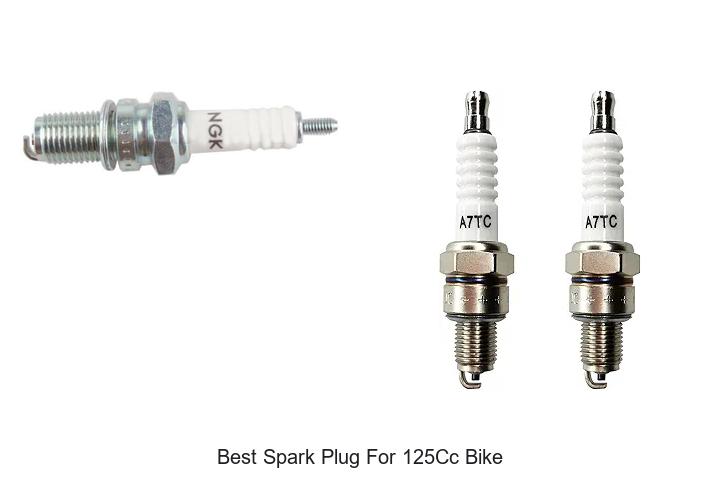
Spark plugs ignite the air-fuel mixture in your engine’s cylinders, powering your vehicle’s movement. Without them, your engine wouldn’t start or run smoothly.
Each spark plug creates a tiny but powerful spark that triggers combustion, turning fuel into the energy your car needs. If a spark plug is worn or dirty, it can cause misfires, rough idling, or reduced fuel efficiency.
You might notice your car struggling to accelerate or hear unusual engine noises. Since these small parts play an important role in engine performance and emissions, maintaining healthy spark plugs helps your vehicle run efficiently and reliably.
Understanding their function makes it clear why you shouldn’t ignore any signs of trouble related to spark plugs.
How Often Should You Change Spark Plugs
Most vehicles need their spark plugs replaced every 30,000 to 100,000 miles, depending on the type and driving conditions.
If your car uses conventional copper spark plugs, expect to change them closer to 30,000 miles. Iridium or platinum plugs typically last much longer, often up to 100,000 miles.
Your driving habits also affect replacement frequency; frequent short trips or stop-and-go traffic can wear plugs faster. Always check your owner’s manual for manufacturer recommendations tailored to your vehicle.
If you’re unsure, scheduling routine inspections during oil changes can help you stay on track. Staying proactive with spark plug replacement not only keeps your engine running smoothly but also prevents potential issues down the road.
Signs and Effects of Worn Spark Plugs on Performance
When your engine starts misfiring or feels sluggish, it could be a sign that your spark plugs are worn out. Worn spark plugs fail to ignite the fuel-air mixture efficiently, causing rough idling and reduced acceleration.
You might notice increased fuel consumption because the engine compensates for incomplete combustion. Additionally, your vehicle may struggle during startup or hesitate when you press the gas pedal.
Over time, this inefficiency can lead to higher emissions and potential engine damage. Paying attention to these signs helps you avoid costly repairs and maintain ideal performance.
If you experience any of these symptoms, it’s a good idea to contemplate replacing your spark plugs promptly to restore smooth engine operation and fuel efficiency.
Inspecting Spark Plugs for Wear and Damage
How can you tell if your spark plugs need replacing? Start by removing each plug and examining the electrode and insulator closely.
Look for signs of wear such as rounded or eroded electrodes, which can weaken the spark. Check for buildup of carbon deposits, oil, or ash that can cause misfires.
Cracks in the ceramic insulator or burnt, blistered tips indicate damage from overheating. If the electrode gap is too wide or inconsistent, the spark won’t ignite fuel efficiently.
Also, corrosion or heavy deposits on the threads suggest it’s time for a new plug. Inspecting carefully helps you decide whether to clean or replace them, ensuring your engine runs smoothly without wasting fuel or risking damage.
Essential Tools for Changing Spark Plugs
Before you start changing spark plugs, gather the right tools to make the job smoother and prevent damage. Having everything ready saves time and protects your engine.
Here are the essential tools you’ll need:
- Spark Plug Socket – A deep socket with rubber insert grips the spark plug securely, preventing breakage during removal and installation.
- Ratchet Wrench with Extension – This helps you reach spark plugs tucked deep in the engine bay, giving you better leverage and control.
- Gap Gauge – Use this to check and adjust the spark plug gap, ensuring ideal performance and fuel efficiency.
With these tools, you’re well-equipped to replace your spark plugs properly and safely.
Don’t skip this preparation step—it sets you up for success.
Step 1: Prepare Your Car for Spark Plug Replacement
Having the right tools at hand makes preparing your car for spark plug replacement much easier.
Start by parking your car on a flat surface and turning off the engine. Let it cool completely to avoid burns. Next, disconnect the negative battery terminal to prevent electrical shocks or accidental starts.
Open the hood and locate the spark plugs; this varies by car model, so consult your owner’s manual if needed. Clear the area around the spark plugs by removing any engine covers or debris to get unobstructed access.
Lay out your tools nearby for convenience. Finally, guarantee good lighting and wear gloves to protect your hands.
These steps set a safe, organized environment before you move on to removing the old spark plugs.
Step 2: Remove Old Spark Plugs Safely
Start by carefully disconnecting the spark plug wires or ignition coils from each spark plug to avoid damaging them.
Once disconnected, you’ll want to remove the old spark plugs safely to prevent any thread damage or debris falling into the cylinder.
Here’s how to do it:
- Use a spark plug socket with a rubber insert to grip the plug securely and prevent breakage.
- Turn the socket counterclockwise slowly to loosen the spark plug; avoid rushing as spark plugs can be tight.
- Once loose, carefully extract the spark plug straight out to prevent damaging the threads or nearby components.
Taking your time at this stage guarantees you don’t cause costly damage and prepares you for installing new plugs.
Step 3: Check and Gap New Spark Plugs
Since each vehicle requires specific spark plug gaps, you’ll need to check and adjust the gap on your new plugs to secure peak performance.
First, find the correct gap specification in your owner’s manual or service guide. Use a spark plug gap tool to measure the distance between the center and ground electrode.
If the gap is too wide or too narrow, carefully bend the ground electrode to adjust it. Be gentle to avoid damaging the plug.
Accurate gapping guarantees proper ignition timing and efficient combustion. Taking this step prevents misfires and helps your engine run smoothly.
Once you’ve confirmed the gap matches the manufacturer’s recommendation, your new spark plugs are ready for installation. This careful preparation sets you up for prime engine performance.
Step 4: Install New Spark Plugs Correctly
Before you install the new spark plugs, make certain the engine is cool to prevent damage and assure safety.
Next, follow these key steps to install them correctly:
- Hand-thread each spark plug carefully into its hole to avoid cross-threading. Don’t force it.
- Use a torque wrench to tighten the plugs to the manufacturer’s recommended specification. This guarantees a proper seal without overtightening.
- Reattach the spark plug wires or ignition coils firmly, ensuring a secure connection to avoid misfires.
Taking your time with these steps helps your engine run smoothly and extends the life of your new spark plugs.
Proper installation is essential for peak performance and avoiding costly repairs down the line.
Step 5: Test Your Engine After Replacement
A critical step after installing new spark plugs is to test your engine to guarantee everything runs smoothly.
Start by reconnecting the spark plug wires or ignition coils securely. Then, turn the ignition key to fire up the engine.
Listen carefully for any irregular sounds like misfires, rough idling, or hesitation during acceleration. If the engine runs smoothly, that’s a good sign your installation was successful.
Pay attention to how the engine responds when you rev it slightly; it should react promptly without stalling. Additionally, keep an eye on your dashboard for any warning lights that might indicate issues.
If everything feels normal, you’ve done a great job replacing the plugs. If not, double-check your work before driving further to avoid potential damage.
Avoid These Common Spark Plug Replacement Mistakes
Many drivers underestimate the importance of avoiding common mistakes when replacing spark plugs.
Making errors can lead to poor engine performance or even damage. To guarantee a smooth replacement, keep these points in mind:
1. Don’t overtighten the plugs – This can strip threads or crack the ceramic insulator.
Tighten to the manufacturer’s torque specifications.
2. Avoid mixing old and new spark plugs – Using all new plugs ensures consistent performance and prevents misfires.
3. Check and gap the plugs properly – Incorrect gaps lead to inefficient combustion and reduced fuel economy.
When to Call a Pro for Spark Plug Problems
While handling spark plug replacements on your own can save money, some situations call for professional expertise. If your engine misfires persist even after changing the plugs, it’s time to call a pro.
Complex issues like ignition coil failures or wiring problems require specialized diagnostic tools and experience. Also, if you notice unusual engine noises, poor fuel efficiency, or difficulty starting the car despite new plugs, a mechanic should inspect the system.
Avoid attempting repairs beyond your skill level to prevent further damage. Professionals can also verify the correct spark plug type and gap for your engine, which is essential for peak performance.
When in doubt, seeking expert help guarantees safety and saves you time and costly repairs down the road.
Best Practices to Extend Spark Plug Life
If you want your spark plugs to last longer, regular maintenance is key. By taking proactive steps, you can avoid premature wear and keep your engine running smoothly.
Here are three best practices to extend your spark plugs’ life:
- Use the Right Fuel: Stick to the fuel grade recommended by your vehicle’s manufacturer to prevent deposits that damage spark plugs.
- Keep Your Engine Tuned: Regularly check and replace air filters, oil, and other components to guarantee peak combustion and reduce stress on spark plugs.
- Drive Smart: Avoid excessive idling and harsh acceleration, which can cause overheating and fouling of spark plugs.
Following these tips helps you get the most out of your spark plugs, saving you time and money on replacements.
Final Tips for Maintaining Spark Plug Performance
Taking care of your spark plugs doesn’t stop with regular maintenance habits. You should also use the right fuel and oil to prevent deposits that can foul your plugs.
Keep an eye on your engine’s performance—if you notice rough idling, poor acceleration, or increased fuel consumption, it might be time to inspect your plugs. Always replace spark plugs with the correct type and gap specified in your vehicle’s manual to guarantee peak performance.
When installing new plugs, apply anti-seize compound on the threads to prevent them from sticking. Finally, avoid overtightening to protect the spark plug and cylinder head.
Following these final tips will help you maintain efficient combustion, improve fuel economy, and extend the life of your spark plugs.
Frequently Asked Questions
Can Bad Spark Plugs Affect Fuel Economy Significantly?
Yes, bad spark plugs can greatly reduce your fuel economy. When they misfire or don’t ignite fuel properly, your engine works harder, wasting fuel. Replacing them promptly helps your car run efficiently and saves you money.
Are Platinum or Iridium Spark Plugs Better for Longevity?
Picture a marathon runner—iridium plugs outlast platinum ones. You’ll find iridium spark plugs offer better longevity due to their harder, more durable material, helping your engine run smoother and requiring less frequent changes.
How Do Cold Weather Conditions Impact Spark Plug Performance?
Cold weather can make your spark plugs work harder to ignite fuel, causing misfires or fouling. You’ll want to check them more often and consider colder heat range plugs for better performance in freezing conditions.
Can Spark Plugs Cause Engine Misfires in Modern Cars?
Absolutely, spark plugs can cause engine misfires in modern cars. If you don’t replace them when needed, you might experience rough idling or poor acceleration. Stay alert to avoid costly repairs down the road.
Is It Safe to Use Spark Plugs From a Different Brand?
Yes, you can use spark plugs from a different brand as long as they match your vehicle’s specifications. Just make sure they’re compatible, high-quality, and properly gapped to avoid performance issues or engine damage.
Conclusion
Changing your spark plugs is like giving your engine a fresh breath of life. When you spot the signs or reach the recommended mileage, don’t wait—grab your tools and plunge into it. By staying proactive and avoiding common mistakes, you’ll keep your car running as smoothly as a well-oiled machine. Remember, a little care now sparks a journey full of powerful starts and endless miles ahead. Keep that engine glowing bright!