How Many Miles to Change Spark Plugs – Step by Step Guide
You should change your spark plugs between 30,000 and 100,000 miles, depending on the type—copper lasts about 30,000 miles, platinum around 60,000 to 80,000, and iridium up to 100,000. Check for rough idling, poor fuel economy, or difficulty starting to know when it’s time. Use the right tools, gap the plugs properly, and follow your manual’s specs when installing. Keep going to learn the full step-by-step process for a smooth engine and better fuel efficiency.
When to Change Spark Plugs: Mileage Guide
Knowing when to change your spark plugs can save you from engine trouble and poor fuel efficiency. Typically, most spark plugs last between 30,000 and 100,000 miles, depending on the type and your vehicle.
Copper plugs usually need replacement around 30,000 miles, while platinum or iridium plugs can last up to 100,000 miles. Check your owner’s manual for the manufacturer’s recommendation—it’s your best guide.
If you drive in harsh conditions, like stop-and-go traffic or dusty areas, consider changing them sooner. Regularly inspecting your plugs every 20,000 to 30,000 miles helps you catch early wear.
Staying on top of this maintenance step guarantees your engine runs smoothly and efficiently, preventing unexpected breakdowns.
Why You Shouldn’t Delay Changing Spark Plugs
If you put off changing your spark plugs, your engine’s performance will quickly suffer. Worn spark plugs cause misfires, reduce fuel efficiency, and make your car harder to start.
Ignoring them forces your engine to work harder, leading to increased emissions and potential damage to other components like the catalytic converter. Delaying the replacement also risks poor acceleration and rough idling, making your driving experience frustrating and unsafe.
Signs Your Spark Plugs Need Replacing Now
Ignoring worn spark plugs can quickly lead to noticeable problems under the hood.
If you want your engine to run smoothly, you need to recognize when it’s time for a change.
Here are four clear signs your spark plugs need replacing now:
- Engine misfires or rough idling – Your car hesitates or stumbles during acceleration.
- Poor fuel economy – You notice a sudden drop in miles per gallon.
- Difficulty starting – The engine cranks longer or won’t start easily.
- Lack of power – Your vehicle struggles to accelerate like it used to.
If you spot any of these, don’t wait.
Replacing your spark plugs promptly saves you from bigger repairs and keeps your ride running efficiently.
How to Check Your Spark Plugs for Wear
Before your spark plugs cause serious issues, you should regularly inspect them for signs of wear.
First, locate the spark plugs by removing the engine cover and disconnecting the ignition wires carefully. Use a spark plug socket and ratchet to unscrew each plug.
Check the electrodes and insulator for damage: worn or rounded electrodes, heavy carbon buildup, or oil deposits indicate wear and poor performance. A light tan or grayish color means your plugs are in good condition.
Use a gap gauge to measure the electrode gap and compare it to your vehicle’s specs; an incorrect gap affects engine efficiency.
If you notice cracks, excessive deposits, or a gap that’s too wide or tight, replace the spark plugs promptly to maintain engine performance.
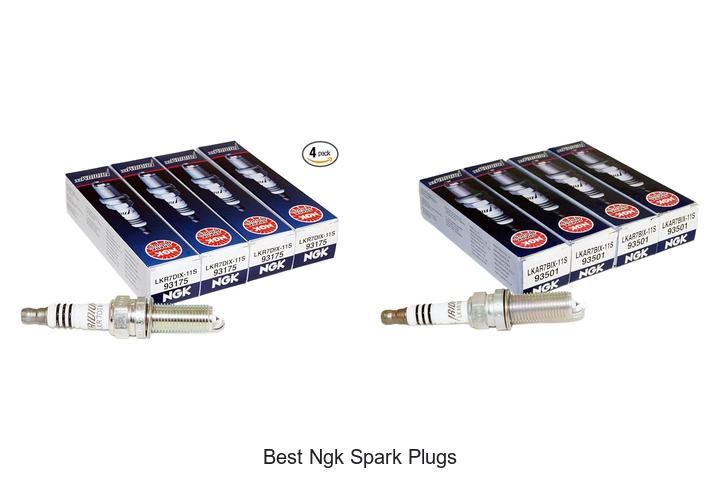
Which Spark Plug Types Actually Last the Longest
Wondering which spark plug types truly offer the longest lifespan? Choosing the right one can save you time and money on replacements.
Here are the top four types ranked by durability:
- Iridium Spark Plugs – Known for their exceptional durability, they often last up to 100,000 miles thanks to their hard, wear-resistant tips.
- Platinum Spark Plugs – Last around 60,000 to 80,000 miles, offering a good balance between performance and longevity.
- Double Platinum Spark Plugs – Both electrodes are platinum-coated, extending life slightly beyond single platinum versions.
- Copper Spark Plugs – These wear out faster, typically around 20,000 to 30,000 miles, so they need more frequent changes.
Understanding these types helps you pick a spark plug that meets your vehicle’s needs and driving habits effectively.
Tools You’ll Need to Replace Spark Plugs
Now that you know which spark plug type suits your vehicle and how long it lasts, it’s time to gather the right tools to replace them.
You’ll need a spark plug socket, which fits snugly over the plug to avoid damage. Pair it with a ratchet wrench and an extension bar to reach deep-set plugs easily.
A torque wrench is essential to tighten new plugs to the manufacturer’s recommended specification, preventing overtightening or loosening. Additionally, keep a gap gauge handy to check and adjust the spark plug gap if needed.
Finally, have some anti-seize lubricant ready to apply on the plug threads for easier future removal. With these tools, you’ll be set for a smooth spark plug replacement.
How to Remove Old Spark Plugs Safely
Although removing old spark plugs might seem straightforward, doing it safely guarantees you don’t damage the engine or the plugs themselves. Here’s how to remove them without issues:
- Cool Down the Engine – Always let your engine cool completely to avoid burns and prevent damaging the cylinder head threads.
- Clean the Area – Use compressed air or a brush to clear dirt around each spark plug, preventing debris from falling into the cylinder.
- Disconnect Spark Plug Wires or Coils – Gently pull the boot, twisting slightly if needed, to avoid damaging wires or connectors.
- Use the Right Socket & Ratchet – Attach a spark plug socket with an extension and carefully turn counterclockwise, applying steady pressure to loosen the plug without stripping threads.
Follow these steps, and you’ll remove old plugs safely and effectively.
How to Install New Spark Plugs Correctly
After removing your old spark plugs carefully, the next step is to install the new ones properly to guarantee your engine runs smoothly.
Begin by threading each spark plug into its cylinder by hand to avoid cross-threading. Don’t rush this step—hand-tightening verifies the plug seats correctly. Once hand-tight, use a torque wrench to tighten the spark plug to the manufacturer’s specified torque setting. Over-tightening can damage the threads or spark plug, while under-tightening may cause poor performance.
Next, reconnect the spark plug wires or ignition coils securely, verifying a firm connection to prevent misfires.
Finally, double-check all plugs and wires are properly installed before starting your engine. This careful installation helps maintain ideal engine efficiency and longevity.
How to Gap Spark Plugs for Best Performance
Since proper spark plug gapping directly affects your engine’s efficiency and performance, you’ll want to verify the gap matches your vehicle manufacturer’s specifications.
Here’s how you can gap your spark plugs for the best results:
- Check the recommended gap in your owner’s manual or service guide to know the exact measurement.
- Use a spark plug gap tool to measure the distance between the center and ground electrodes.
- Adjust the gap carefully by gently bending the ground electrode with the tool until you reach the specified gap.
- Double-check the gap after adjusting to confirm accuracy before installation.
Easy Ways to Keep Your Spark Plugs in Good Shape
Properly gapping your spark plugs sets the foundation for ideal engine performance, but maintaining their condition over time keeps your vehicle running smoothly.
To keep your spark plugs in good shape, regularly inspect them for wear and deposits. Clean any carbon buildup gently with a wire brush or specialized spark plug cleaner. Use dielectric grease on the plug boots to prevent moisture and corrosion.
Always check that the spark plug wires are secure and free from cracks or damage. Avoid using spark plugs beyond their recommended mileage, and replace them as needed.
Finally, verify your engine runs efficiently by using the correct fuel and maintaining the air filter. These simple steps help extend spark plug life and optimize engine performance.
What Happens If You Ignore Spark Plug Maintenance
If you skip spark plug maintenance, your engine can suffer from misfires, reduced fuel efficiency, and rough idling. Ignoring this essential task can lead to bigger problems and costly repairs down the road.
Here’s what you can expect if you don’t keep up with your spark plugs:
- Engine Misfires – Dirty or worn plugs cause incomplete combustion, leading to rough performance.
- Lower Fuel Economy – Your engine works harder, burning more fuel than necessary.
- Hard Starts – Faulty spark plugs make starting your car difficult, especially in cold weather.
- Increased Emissions – Poor combustion increases harmful exhaust gases, potentially failing emissions tests.
Regular maintenance prevents these issues, saving you money and keeping your car running smoothly.
Don’t wait until problems arise—stay proactive with your spark plugs.
Frequently Asked Questions
Can Spark Plugs Affect Fuel Efficiency?
Yes, spark plugs can affect your fuel efficiency. When they wear out or get dirty, they cause misfires and incomplete combustion, making your engine work harder and use more fuel, so you’ll want to replace them regularly.
Are Spark Plugs the Same for All Car Models?
No, spark plugs aren’t the same for all car models. You’ll need to check your vehicle’s manual or ask a mechanic to find the right type, size, and heat range to guarantee peak performance and longevity.
How Do Cold Weather Conditions Impact Spark Plug Performance?
Did you know cold weather can reduce engine efficiency by up to 20%? Cold conditions make spark plugs work harder, causing misfires and harder starts. You’ll want to check and replace them more often in winter.
Can Bad Spark Plugs Cause Engine Misfires?
Yes, bad spark plugs can cause engine misfires. When they’re worn or fouled, they can’t produce a strong spark, leading to incomplete combustion. You’ll notice rough idling, poor acceleration, and reduced fuel efficiency.
Is It Necessary to Replace Spark Plug Wires at the Same Time?
You don’t always have to replace spark plug wires with the plugs, but it’s a good idea if the wires are old, cracked, or worn. Fresh wires help guarantee a strong spark and better engine performance.
Conclusion
So, you could wait until your engine starts sounding like a rusty lawn mower before changing your spark plugs—or you could save yourself the trouble and do it right on time. Ignoring spark plug maintenance is like hoping a flat tire will fix itself—spoiler alert: it won’t. Keep them clean and gapped properly, and your car will thank you with smoother rides and better fuel economy. Trust me, your engine prefers spark plugs over surprises.