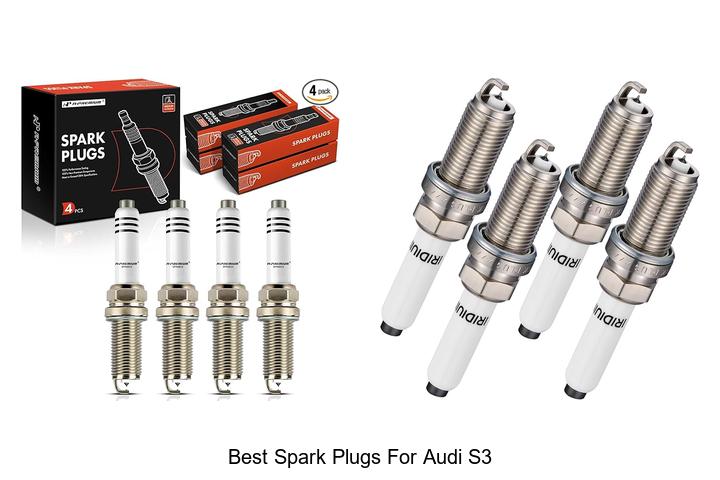
Do You Know If You Need to Check Spark Plugs?
You need to check your spark plugs regularly to keep your engine running smoothly and avoid costly repairs. Typically, inspect them every 30,000 miles, but newer iridium or platinum plugs last up to 100,000 miles. Watch for rough idling, hard starts, or reduced fuel efficiency as signs they need attention. Driving habits and weather also affect their lifespan. Understanding these details will help you maintain your car’s performance and save money in the long run.
Why Spark Plugs Matter to Your Car’s Performance
Spark plugs play an essential role in your car’s engine by igniting the air-fuel mixture needed for combustion. Without this spark, your engine won’t start or run efficiently.
When your spark plugs work properly, they guarantee smooth acceleration, better fuel economy, and reduced emissions. If they’re worn or dirty, your engine can misfire, hesitate, or lose power, which affects overall performance.
You might notice rough idling or difficulty starting your car, signaling it’s time to inspect the plugs. Keeping your spark plugs in good condition helps your engine run smoothly and extends its lifespan.
How Often Should You Check Your Spark Plugs?
How frequently should you check your spark plugs to keep your engine running smoothly? Most manufacturers recommend inspecting them every 30,000 miles, but this can vary depending on your vehicle and spark plug type.
If you drive in harsh conditions, like extreme temperatures or dusty areas, consider checking them more often. Also, newer spark plugs made from materials like iridium or platinum typically last longer, sometimes up to 60,000–100,000 miles.
Even if your car runs fine, routine checks help catch wear early and maintain efficiency. Refer to your owner’s manual for specific intervals, and don’t forget to schedule inspections during regular maintenance.
Staying proactive with spark plug checks prevents unexpected issues and keeps your engine performing at its best.
Signs Your Spark Plugs Might Need Inspection
If your engine starts misfiring or feels sluggish, it might be time to inspect your spark plugs. Spark plugs play a crucial role in your engine’s performance, and early signs of trouble can save you from bigger issues.
Here are key indicators that your spark plugs might need a closer look:
- Rough idling or engine hesitation
- Difficulty starting your vehicle
- Noticeable drop in fuel efficiency
- Engine misfires or jerking during acceleration
- Increased exhaust emissions or a burning smell
If you notice any of these symptoms, don’t wait. Inspecting your spark plugs promptly can help maintain smooth engine operation and prevent costly repairs down the road.
Keep an eye out and stay proactive!
How Worn Spark Plugs Hurt Engine Performance
When your spark plugs wear out, they can’t ignite the fuel-air mixture efficiently, which directly impacts your engine’s performance.
You’ll notice your vehicle may hesitate or jerk during acceleration because the engine misfires. Worn plugs increase fuel consumption since incomplete combustion wastes fuel. Your engine might also run rough or idle unevenly, making your drive less smooth.
Additionally, worn spark plugs can cause your car to struggle when starting, especially in cold weather. You might find your engine lacks power, making it harder to maintain speed or tackle inclines.
Ignoring worn plugs puts extra strain on your ignition system and catalytic converter, potentially leading to costly repairs.
Checking and replacing spark plugs on time guarantees your engine runs efficiently, saving you money and keeping your vehicle reliable.
What Causes Spark Plugs to Wear Out Early
Because spark plugs face constant heat and electrical stress, several factors can cause them to wear out prematurely.
You need to watch out for conditions that push your spark plugs beyond their limits. Here are common causes of early wear:
- Poor fuel quality: Contaminants can leave deposits that foul spark plugs quickly.
- Incorrect spark plug type: Using plugs not suited for your engine causes faster degradation.
- Engine overheating: Excessive heat damages the electrodes and insulation.
- Improper air-fuel mixture: Running too rich or lean leads to carbon buildup or overheating.
- Frequent short trips: The engine doesn’t fully warm up, increasing deposit formation.
Tools You Need to Check Your Spark Plugs at Home
You’ll need a few essential tools to check your spark plugs at home effectively.
First, grab a spark plug socket; it’s specially designed to fit spark plugs snugly and prevent damage during inspection. You’ll also want a ratchet wrench to turn the socket easily. A socket extension can help reach plugs in tight spots.
Have a gap gauge or feeler gauge handy to measure the spark plug gap accurately. Keep a clean rag or compressed air nearby to clear debris around the plug area before checking.
Finally, gloves and safety glasses are vital to protect your hands and eyes while working.
With these tools ready, you’ll be well-equipped to inspect your spark plugs confidently and maintain your engine’s performance.
How to Safely Remove Spark Plugs
A few simple steps can help you remove spark plugs safely without damaging them or your engine.
First, make certain the engine is cool to avoid burns.
Next, disconnect the spark plug wire by pulling the boot, not the wire itself.
Then, clean around the spark plug to prevent debris from falling into the cylinder.
Use a spark plug socket with a ratchet to loosen the plug carefully—turn counterclockwise.
Finally, remove the spark plug by hand once it’s loose.
- Confirm engine is cool before starting
- Pull off the spark plug boot gently
- Clean surrounding area thoroughly
- Use the correct socket and ratchet
- Unscrew spark plug by hand after loosening
These steps protect your engine and spark plugs during removal.
How to Visually Inspect Spark Plugs for Damage
When you inspect spark plugs visually, you can quickly spot signs of wear or damage that affect engine performance.
Start by checking the electrode for erosion or buildup. If it looks rounded or worn down, it may not spark efficiently.
Look for cracks or chips on the ceramic insulator, as these indicate damage. Dark, oily deposits on the plug suggest oil leaks, while white, chalky residue points to overheating.
Also, examine the gap between the center and ground electrode; it should be clean and consistent. If you notice any burnt or melted areas, that’s a clear sign of trouble.
What Spark Plug Wear Reveals About Your Engine’s Health
Although spark plugs may seem like small engine components, their wear patterns reveal a lot about your engine’s condition.
By examining the plugs, you can catch early signs of engine trouble and maintain performance. Here’s what different wear tells you:
- Black, sooty deposits: Your engine might be running too rich or the air filter could be clogged.
- White, blistered electrodes: Indicates overheating or a lean fuel mixture.
- Oil-fouled plugs: Suggests worn piston rings or valve guides leaking oil into the combustion chamber.
- Worn or rounded electrodes: Means the plug is old and needs replacement to guarantee proper ignition.
- Cracked insulator: Could signal engine overheating or physical damage, requiring immediate attention.
Checking these signs helps you keep your engine running smoothly and avoid costly repairs.
Replacing vs. Cleaning Spark Plugs: When to Choose Each
Since spark plugs play an essential role in your engine’s performance, deciding whether to replace or clean them can impact your vehicle’s efficiency and reliability.
You should clean spark plugs if they show minor deposits or light fouling; gentle cleaning can restore their function and extend their life.
However, if the plugs have worn electrodes, deep carbon buildup, or visible damage like cracks or corrosion, replacement is the smarter choice.
Cleaning won’t fix physical wear or severe damage, which can cause misfires or poor fuel economy.
Also, if your plugs have been in use past the manufacturer’s recommended mileage, swapping them out guarantees peak performance.
Does Your Spark Plug Type Change How Often You Should Check It?
Knowing whether to clean or replace your spark plugs is just one part of effective maintenance. Your spark plug type definitely influences how often you should check them. Different materials wear out at different rates, so staying aware is key.
Here’s a quick guide:
- Copper plugs: Check every 20,000 to 30,000 miles; they wear faster.
- Platinum plugs: Inspect around 60,000 miles; they last longer.
- Iridium plugs: Can go up to 100,000 miles before needing checks.
- Double platinum/iridium: Offer longevity but still need periodic checks.
- Specialty plugs: Follow manufacturer’s recommendations closely.
How Weather and Driving Habits Affect Spark Plug Lifespan
Weather conditions and how you drive play a big role in your spark plugs’ lifespan. If you live in a place with extreme temperatures, like very hot summers or freezing winters, your spark plugs may wear out faster. Cold starts put extra strain on them, while excessive heat can cause electrodes to degrade.
Also, stop-and-go city driving makes your engine work harder, leading to quicker spark plug wear compared to steady highway cruising. Frequent short trips prevent the engine from reaching ideal temperature, increasing deposits and fouling.
On the other hand, smooth, consistent driving helps your spark plugs last longer. Being mindful of these factors means you can better estimate when to check or replace your spark plugs, ensuring your engine runs efficiently without unexpected issues.
Common Mistakes When Checking Spark Plugs
Although checking spark plugs might seem straightforward, many people make errors that can lead to misdiagnosis or damage. To avoid these common mistakes, watch out for the following:
- Using the wrong tools, which can strip or break the spark plug.
- Checking plugs without letting the engine cool down, risking burns or inaccurate readings.
- Ignoring the gap size, leading to poor engine performance.
- Overlooking signs of wear or deposits on the electrode and insulator.
- Forgetting to check all spark plugs, as one faulty plug can cause issues.
How Regular Spark Plug Checks Save You Money
Avoiding common mistakes when checking spark plugs not only prevents damage but also helps you spot issues early.
Regular checks let you catch wear, fouling, or gaps before they cause engine misfires or poor fuel efficiency. When your spark plugs work well, your engine runs smoother, burns fuel efficiently, and reduces emissions—saving you money on gas and costly repairs.
Ignoring spark plugs can lead to more severe engine damage, which means expensive fixes. Plus, replacing worn plugs on schedule extends your engine’s life.
Frequently Asked Questions
Can Faulty Spark Plugs Cause My Car to Fail Emissions Tests?
Yes, faulty spark plugs can cause your car to fail emissions tests because they lead to incomplete combustion, increasing harmful pollutants. You should replace worn plugs to guarantee better engine performance and pass emissions inspections smoothly.
Are Spark Plugs the Same for All Car Models?
No, spark plugs aren’t the same for all car models. You’ll need to check your vehicle’s manual or ask a professional to find the right type, size, and heat range for your specific engine.
How Do I Know if I Can Replace Spark Plugs Myself?
You can replace spark plugs yourself if you have basic tools, a clear guide, and some mechanical confidence. Make sure you understand your car’s specific plugs and torque specs to avoid damage or poor performance.
What Is the Cost Range for Professional Spark Plug Replacement?
When it comes to professional spark plug replacement, you’re looking at $100 to $300, depending on your car and labor costs. Don’t bite off more than you can chew—sometimes it’s better to leave it to the pros.
Can Spark Plugs Affect Fuel Efficiency Significantly?
Yes, spark plugs can greatly affect your fuel efficiency. Worn or dirty plugs cause misfires, wasting fuel and reducing mileage. Checking and replacing them regularly helps your engine run smoothly and saves you money on gas.
Conclusion
Just like you wouldn’t ignore the ticking of a clock, don’t overlook your spark plugs—they quietly keep your engine’s rhythm alive. Checking them regularly might seem small, but it’s like tuning a piano before a concert; without it, the whole performance falters. So, next time you hear a slight misfire or feel a rough start, remember: a quick spark plug check could be the simple twist that keeps your car running smoothly, mile after mile.