How to Avoid Damage to Your Car When Using a Car Wash
To avoid damage when using a car wash, choose one with soft cloths or touchless systems to prevent scratches. Inspect brushes and equipment for cleanliness and wear before you start. Avoid harsh soaps and chemicals that can strip paint or wax. Prepare your car by removing loose dirt, closing windows, and folding mirrors. After washing, dry gently with a microfiber towel to prevent water spots. Following these tips can keep your paint vibrant and protected—there’s more to learn about preserving your car’s finish.
Why Picking the Right Car Wash Protects Your Paint
When you choose the right car wash, you’re directly protecting your car’s paint from scratches and wear. Not all car washes treat your paint equally; some use harsh brushes or dirty cloths that can cause swirl marks or chips.
By selecting a touchless or soft-cloth wash that regularly maintains its equipment, you reduce the risk of abrasive damage. Also, the right car wash uses gentle, pH-balanced soaps that clean effectively without stripping your paint’s protective coatings.
Avoiding car washes with reused water or dirty brushes helps prevent contaminants from scratching your surface. Picking a reputable car wash means your paint stays vibrant longer, saving you costly repairs or repainting down the line.
You’ll keep your car looking sharp while safeguarding its finish effortlessly.
How to Inspect a Car Wash Before You Use It
Choosing the right car wash is only part of protecting your vehicle’s finish. You also need to inspect the facility before driving in.
Start by checking:
- Brush Condition – Avoid car washes with old, frayed, or stiff brushes that can scratch your paint.
- Equipment Cleanliness – Dirty nozzles or rollers can deposit grime and grit on your car.
- Ground Debris – Look for loose rocks or dirt on the track that might cause damage.
- Water Quality – If possible, ask about the water source; soft water is gentler on paint.
What Soaps and Chemicals to Avoid in Car Washes
Because harsh soaps and chemicals can strip your car’s protective coatings, you should steer clear of washes that use strong detergents, acidic cleaners, or abrasive additives.
These substances can degrade wax, clear coats, and paint, leaving your car vulnerable to damage. Avoid car washes that smell overly chemical or have visibly harsh foam.
Stay away from washes using bleach, ammonia, or high-pH soaps, as they’re too aggressive for automotive finishes. Instead, opt for pH-balanced, biodegradable soaps designed specifically for cars.
Also, skip any wash that uses rough scrubbing chemicals or solvents—they can cause micro-scratches or dull your paint.
How to Prepare Your Car for a Safe Car Wash
Selecting the right soaps and chemicals sets the stage for protecting your car’s finish, but preparing your vehicle properly before the wash also plays a big role in preventing damage.
Here’s how you can get your car ready:
- Remove loose dirt and debris: Use a soft brush or cloth to clear off leaves, twigs, and other particles that might scratch the paint during washing.
- Close all windows and sunroof: Verify no water seeps inside your vehicle.
- Fold in side mirrors and antenna: This prevents them from getting bent or broken in the wash.
- Check for loose parts: Secure or remove any loose trim, badges, or accessories that might get damaged or cause damage.
Taking these steps helps keep your car safe and your wash effective.
Why Avoiding High-Pressure Water Jets Protects Your Finish
Although high-pressure water jets can seem like a quick way to clean your car, they can actually harm your finish by stripping away protective wax and forcing water into tiny cracks.
When you use these jets, the intense force removes the thin wax layer that shields your paint from dirt, UV rays, and moisture. Without this barrier, your car’s finish becomes vulnerable to scratches, fading, and corrosion.
Additionally, water pushed into small crevices can lead to rust and damage over time. To protect your car’s appearance and longevity, it’s best to avoid high-pressure jets or use them very cautiously.
Choosing gentler cleaning methods helps maintain your vehicle’s finish, keeping it looking its best for years to come.
When to Choose Hand Washing Over Automatic Washes
High-pressure water jets can damage your car’s finish, which is why you might want to contemplate hand washing in certain situations.
Hand washing gives you control and reduces risks automatic washes might pose.
Consider hand washing when:
- Your car has fragile paint or custom finishes that could be scratched by brushes or jets.
- You spot stubborn dirt or bird droppings that need gentle, focused cleaning.
- You want to avoid swirl marks often caused by automatic wash brushes.
- Your vehicle has delicate accessories like antennas or trim that could get caught or damaged.
How to Use Nozzles and Brushes Safely in Self-Service Washes
When you use nozzles and brushes in self-service washes, handling them carefully can prevent scratches and other damage to your car’s finish.
Always start by inspecting the brush for debris or grit that could scratch your paint. Hold the nozzle at a safe distance to avoid high-pressure water forcing dirt into your car’s surface.
Use gentle, sweeping motions with the brush instead of scrubbing aggressively, and avoid pressing too hard. Focus on one section at a time to guarantee thorough yet careful cleaning.
Keep an eye on the brushes’ condition—frayed or worn bristles can harm your paint. By staying attentive and using the equipment correctly, you’ll protect your car’s finish while still getting it clean in a self-service wash.
How Protective Coatings Shield Your Paint During Car Washes
Protective coatings form a durable barrier that helps shield your car’s paint from harsh chemicals, abrasive brushes, and high-pressure water during washes.
When you have this layer on your vehicle, it reduces the risk of scratches and fading, preserving your car’s finish longer.
Here’s how these coatings protect your paint:
- Chemical Resistance: They prevent harsh detergents from penetrating and damaging the paint.
- Scratch Protection: The coating absorbs minor abrasions from brushes or cloths.
- Water Repellency: It causes water to bead and slide off, minimizing water spots and residue.
- UV Defense: The coating blocks harmful UV rays that cause paint oxidation and discoloration.
How to Spot and Prevent Paint Damage From Car Washes
While protective coatings offer a strong defense, paint damage can still occur if you’re not careful during car washes.
Watch for swirl marks, scratches, or dull spots that weren’t there before. These signs indicate abrasions caused by harsh brushes or dirt trapped in wash materials.
To prevent damage, always rinse your car thoroughly before entering the wash to remove loose debris. Choose touchless or soft-cloth car washes instead of automatic ones with stiff brushes.
Avoid car washes on extremely hot days, as heat can soften paint and make it more vulnerable.
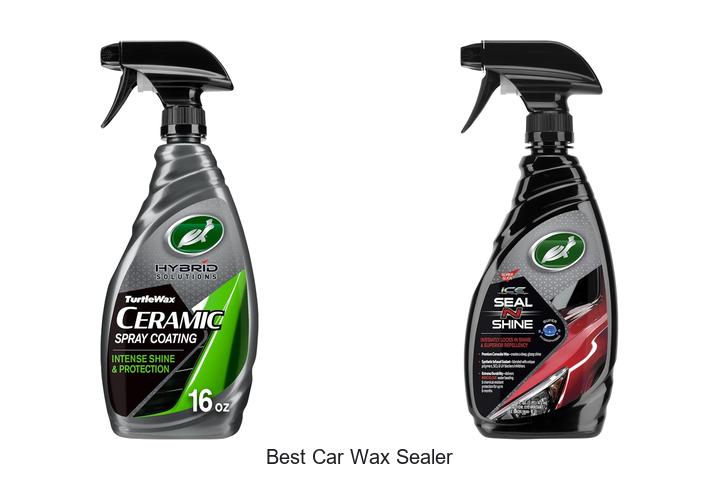
Regularly inspect your paint for imperfections and apply a fresh layer of wax or sealant to add extra protection.
Taking these steps helps keep your car’s paint looking pristine after every wash.
Why Proper Drying Matters After Washing Your Car
Because water spots and streaks can mar your car’s finish, drying it properly after a wash is essential. If you skip this step, mineral deposits from water can leave unsightly marks and even etch into your paint over time.
To dry your car effectively, follow these tips:
- Use a clean microfiber towel to avoid scratching the paint.
- Pat dry instead of rubbing harshly to protect the clear coat.
- Work section by section, starting from the top and moving downward.
- Check for hidden water in crevices and door jambs to prevent rust.
Maintenance Tips to Keep Your Car Wash Safe and Effective
To keep your car wash safe and effective, you need to perform regular maintenance on both your equipment and your vehicle’s surface.
Inspect brushes, nozzles, and cloths frequently to guarantee they’re clean and free of debris that could scratch your car. Replace worn or damaged parts promptly to avoid accidental damage.
Check water pressure and temperature settings to prevent harm to your vehicle’s paint. On your car, remove any loose dirt before washing to reduce abrasion.
Use appropriate cleaning solutions that won’t strip wax or harm the finish. After washing, dry your car properly to prevent water spots and streaks.
Staying proactive with these steps not only protects your car but also keeps the car wash functioning smoothly for every use.
Frequently Asked Questions
Can Car Wash Frequency Affect My Car’s Resale Value?
Yes, frequent car washes can boost your car’s resale value by keeping the paint and finish in good shape. Just make sure you choose gentle washes to avoid scratches or damage over time.
Are Touchless Car Washes Always Safer for My Vehicle?
You might not know that 30% of car wash damages come from brushes. Touchless washes reduce scratches, but they’re not always safer—they use strong chemicals that can harm your paint over time. Choose wisely!
How Do Weather Conditions Impact the Car Wash Process?
Weather impacts car washes by affecting drying and cleaning efficiency. If it’s freezing, water can freeze on your car, causing damage. Hot weather can cause soaps to dry too fast, leaving spots. Choose times wisely.
Can Tinted Windows Be Damaged During a Car Wash?
Yes, tinted windows can get damaged during a car wash if the chemicals or brushes are too harsh. You should choose gentle, touchless car washes and avoid high-pressure sprays directly on the tint to protect it.
Is It Necessary to Wax My Car After Every Wash?
No, you don’t have to wax after every wash—unless you want your car to shine brighter than a disco ball on roller skates. Waxing every few washes keeps protection strong without making it look overdone.
Conclusion
You might think all car washes are safe, but that’s not always true. By choosing the right wash, avoiding harsh chemicals, and steering clear of high-pressure jets, you’re actually protecting your car’s paint. Preparing your car beforehand and drying it properly seals the deal. Protective coatings add extra defense, too. When you follow these steps, you’ll keep your car looking fresh and avoid costly damage. It’s not just theory—it’s smart care in action.