How to Fix Rough Idle Caused by Bad Spark Plugs
If your engine’s idling roughly because of bad spark plugs, start by replacing the worn or fouled plugs with new ones. Use the proper tools to remove the old plugs carefully, check the gap on the new plugs, and install them without damaging the threads. After replacement, reset your engine system by disconnecting the battery or using an OBD-II scanner. If the rough idle persists, there might be other issues to explore. You can find out what to check next here.
Why Do Bad Spark Plugs Cause Rough Idle?
Although spark plugs are small, they play an essential role in your engine’s performance. They ignite the air-fuel mixture inside the cylinders, creating the explosion that powers your vehicle.
When spark plugs wear out or get dirty, they struggle to generate a strong spark. This weak spark leads to incomplete combustion, causing your engine to misfire. You’ll notice your car idling roughly because the engine isn’t firing smoothly.
Misfires disrupt the balance and timing of your engine’s operation, making it shake or hesitate when idling. If you don’t address bad spark plugs, your fuel efficiency drops and emissions increase.
Understanding this connection helps you see why replacing faulty spark plugs is vital to restoring smooth idle and ideal engine function.
How to Spot Bad Spark Plug Symptoms Early
How can you tell if your spark plugs are starting to fail before it leads to bigger problems? Pay attention to how your engine runs.
Early signs include rough idling, hesitation during acceleration, and a noticeable drop in fuel efficiency. You might also experience difficulty starting your car or hear engine misfires.
These symptoms often come on gradually, so don’t ignore subtle changes in performance. Check for increased exhaust emissions or a slight loss of power, which can also hint at spark plug issues.
Regularly inspecting your spark plugs for wear, deposits, or damage can catch problems early. By spotting these symptoms promptly, you can avoid further engine damage and maintain smoother vehicle operation.
Stay alert to keep your engine healthy and responsive.
When Should You Replace Spark Plugs?
Noticing early spark plug symptoms is a good start, but knowing when to replace them keeps your engine running smoothly. Typically, spark plugs should be replaced every 30,000 to 50,000 miles, but this varies based on your vehicle and plug type.
Waiting too long can cause rough idling, poor fuel economy, and engine misfires. Pay attention to these signs that it’s time for new spark plugs:
- Difficulty starting your engine or frequent stalling
- Noticeable drop in fuel efficiency
- Engine misfires or rough idle despite recent tune-ups
Replacing your spark plugs promptly prevents damage and restores performance.
Check your owner’s manual for specific intervals, and don’t ignore warning signs to keep your ride running efficiently.
Tools You’ll Need to Replace Spark Plugs
Before you start replacing your spark plugs, gather the right tools to make the job easier and safer.
You’ll need a spark plug socket, which fits snugly around the plug and usually has a rubber insert to protect it. A ratchet wrench will help you turn the socket, and an extension bar might be necessary to reach deep plugs.
A gap gauge is essential to check and adjust the spark plug gap. It’s also smart to have a torque wrench to tighten the plugs to the manufacturer’s specifications without over-tightening.
Additionally, keep a pair of needle-nose pliers handy to remove stubborn spark plug wires or coil packs gently.
Having these tools ready will streamline the process and protect your engine components.
How to Find Spark Plugs in Your Engine
Once you have your tools ready, locating the spark plugs in your engine is the next step.
Spark plugs are usually found on the cylinder head and are connected to thick wires or ignition coils. Here’s how to spot them quickly:
- Look for thick rubber or plastic ignition wires running from the distributor or ignition coils to the engine block.
- Follow these wires to where they connect to metal components screwed into the engine—that’s your spark plug.
- In modern engines, ignition coils sit directly on top of the spark plugs, so check under these coils if wires aren’t visible.
Knowing exactly where the spark plugs are will save you time and effort when it’s time to replace or inspect them.
Don’t rush; a clear view helps prevent damage.
How to Remove Old Spark Plugs Step-by-Step
Start by loosening the spark plug wires or ignition coil connectors carefully to avoid damage.
Once disconnected, remove any brackets or clips holding the wires in place.
Next, use a spark plug socket attached to a ratchet with an extension to reach the plugs.
Turn counterclockwise to loosen each spark plug. Be gentle to avoid stripping the threads.
Once loose, carefully pull the spark plug out of the cylinder head. If it feels stuck, wiggle slightly but don’t force it.
Repeat this process for each spark plug, working methodically across the engine.
Keep track of each plug’s location to guarantee proper reinstallation.
With all plugs removed, you’re ready for the next step: inspecting them for wear and damage.
How to Inspect Spark Plugs for Wear and Damage
Although spark plugs might look similar, inspecting them carefully can reveal essential clues about your engine’s health.
Start by checking the electrode and insulator for any damage or unusual wear. Look for signs like cracks, heavy deposits, or excessive erosion, which can indicate problems.
Pay attention to these key areas:
- Electrode condition: Worn or rounded electrodes reduce spark efficiency.
- Deposits: Oil, soot, or fuel residue buildup signals underlying engine issues.
- Color: A light tan or grayish color usually means normal operation; black, oily, or white deposits suggest trouble.
How to Choose the Right Spark Plugs for Your Car
After inspecting your spark plugs for signs of wear or damage, you’ll need to select the right replacements that match your vehicle’s specifications.
Start by checking your car’s owner’s manual for the recommended spark plug type, size, and heat range. Using the correct heat range guarantees proper combustion and prevents overheating or fouling.
Next, consider the material: copper plugs are affordable and work well for older engines, while platinum or iridium plugs last longer and improve performance in modern engines.
Avoid cheap, off-brand plugs, as they can cause rough idling or engine misfires.
Finally, double-check compatibility with your engine’s design, especially if you have a turbocharged or high-performance vehicle.
Choosing the right spark plugs helps restore smooth idling and reliable engine function.
How to Gap New Spark Plugs Correctly
One essential step before installing new spark plugs is gapping them correctly to secure peak engine performance. The gap affects the spark’s strength and consistency, so you want it just right.
Here’s how to do it:
- Check your vehicle’s manual or the spark plug packaging for the correct gap measurement.
- Use a spark plug gap tool to measure the gap between the center and ground electrodes.
- Carefully adjust the gap by gently bending the ground electrode with the tool until it matches the specified width.
Getting this step right guarantees efficient combustion and smooth idling.
Avoid guessing or skipping this—an incorrect gap can cause misfires or rough idle, defeating the purpose of new spark plugs.
How to Install New Spark Plugs Without Damaging Threads
When you’re ready to install new spark plugs, take care to avoid damaging the threads in the cylinder head. First, insert the spark plug by hand, turning it gently clockwise. This reduces the risk of cross-threading, which can strip or damage the threads.
If you feel resistance early on, back it out and realign the plug before trying again. Once it threads smoothly, use a torque wrench to tighten the spark plug to the manufacturer’s specified torque. Over-tightening can also harm the threads or the spark plug itself.
Avoid using power tools, as they can apply excessive force. Taking these precautions guarantees a secure fit, prevents leaks, and extends the life of your engine components for a smoother idle.
How to Reset Your Engine’s Systems After Spark Plug Replacement
Installing new spark plugs correctly helps prevent mechanical issues, but your engine’s computer may still hold old data that affects performance.
To guarantee your engine runs smoothly, you need to reset its systems after replacing the spark plugs. Here’s how you can do it:
- Disconnect the battery: Remove the negative battery cable for about 15 minutes to clear the engine control unit (ECU) memory.
- Use an OBD-II scanner: Connect a scanner to your vehicle’s port and select the option to reset or clear trouble codes.
- Drive gently: After resetting, drive your car at varying speeds for 10-15 miles to allow the ECU to relearn ideal settings.
This reset helps the engine adapt to the new spark plugs, improving idle quality and overall performance.
What to Do If Your Engine Still Idles Rough After Changing Spark Plugs
Even after replacing your spark plugs, your engine might still idle roughly due to other underlying issues.
Start by checking your ignition coils and wires; faulty components here can cause misfires similar to bad spark plugs.
Next, inspect the air filter—if it’s clogged, your engine won’t get enough air, affecting idle quality.
Also, clean the throttle body and intake valves to remove carbon buildup that disrupts airflow.
Don’t forget to examine vacuum lines for leaks, as these can cause unstable idling.
Finally, consider checking your fuel injectors; dirt or clogs can prevent proper fuel delivery.
Addressing these areas often resolves rough idle problems.
If your engine still struggles, further diagnostics may be needed, but these steps cover common causes beyond spark plugs.
When to Get Professional Help for Rough Idle Problems
If you’ve checked ignition coils, air filters, throttle body, vacuum lines, and fuel injectors but your engine still idles roughly, it might be time to seek professional help.
Some issues require specialized tools and expertise that only a mechanic can provide. You should consider professional assistance if:
- The rough idle is accompanied by warning lights on your dashboard.
- You notice unusual noises or excessive vibrations from the engine.
- DIY fixes haven’t resolved the problem after multiple attempts.
A professional can perform advanced diagnostics, such as checking engine compression or fuel pressure, to pinpoint the exact cause.
Don’t ignore persistent rough idling—it can lead to more serious engine damage and costly repairs down the line.
Getting expert help guarantees your vehicle runs smoothly and safely.
Frequently Asked Questions
Can Bad Spark Plugs Affect Fuel Efficiency?
Yes, bad spark plugs can lower your fuel efficiency because they cause incomplete combustion. You’ll notice your engine working harder and using more fuel, so replacing spark plugs promptly helps keep your mileage and performance efficient.
Do Spark Plugs Need Cleaning or Only Replacement?
You usually need to replace spark plugs rather than clean them because wear and deposits reduce their efficiency. Cleaning might help temporarily, but replacement guarantees consistent performance and avoids misfires or rough idling.
How Do Spark Plugs Impact Engine Emissions?
Spark plugs impact engine emissions by ensuring complete fuel combustion. If they’re worn or fouled, your engine burns fuel inefficiently, increasing harmful emissions. Replacing bad spark plugs helps reduce pollutants and improves overall engine performance.
Are Spark Plug Wires Related to Rough Idle Issues?
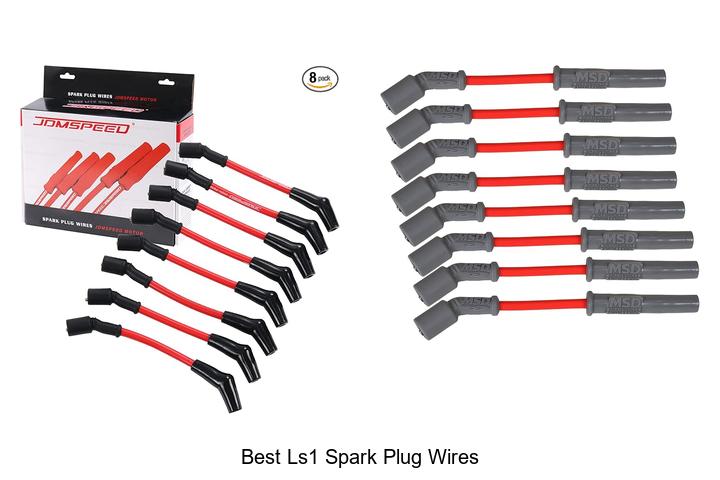
Think of spark plug wires as the engine’s messenger; if they’re damaged or worn, they can cause misfires and rough idling. You’ll want to inspect and replace them to keep your engine running smoothly.
Can Weather Conditions Worsen Spark Plug Performance?
Yes, weather conditions can worsen spark plug performance. Cold, wet, or humid weather can cause misfires or corrosion, making your engine idle rougher. You’ll want to check and replace plugs more often in harsh climates.
Conclusion
Replacing bad spark plugs is like giving your engine a fresh breath of life, clearing away the roughness that clouds its rhythm. By spotting issues early and carefully installing new plugs, you restore the smooth hum beneath your hood. If the rough idle lingers, don’t hesitate to seek expert help—sometimes, a skilled hand is the key to reigniting your engine’s true potential. Keep your ride’s heart beating strong and steady.