How to Get a Car Wash Safely in Winter
To get a car wash safely in winter, pick a day when temperatures stay above freezing and use warm (not hot) water. Dry your car thoroughly with a microfiber towel to avoid ice buildup, and apply silicone-based lubricant to door seals and locks to prevent freezing. Wear shoes with good traction, move carefully to avoid slips, and consider heated or touchless car wash services. Taking these steps helps protect your car during winter—there’s more advice to guarantee your vehicle stays in great shape all season.
How To Wash Your Car Safely In Winter
Washing your car safely in winter means taking extra precautions to prevent damage from freezing temperatures.
First, choose a day when the temperature is above freezing to avoid water freezing on your car. Use warm water, but not hot, to prevent cracking the paint or glass. Avoid washing your car outside if ice or snow is expected shortly after.
Focus on gentle, non-abrasive cleaning products to protect your car’s finish from salt and grime. Dry your vehicle thoroughly with a microfiber towel to prevent water spots and ice buildup.
Don’t forget to clean the door seals and locks, applying a silicone-based lubricant to keep them from freezing shut.
These steps help protect your car’s surface and keep it functioning well during harsh winter conditions.
Why Washing Your Car In Winter Is Important
Taking the right precautions to wash your car safely in winter sets the stage for maintaining its condition throughout the season.
Regular washing removes salt, dirt, and grime that accumulate on your vehicle, which can cause corrosion and damage the paint. If you skip washing, salt buildup can eat away at metal parts, leading to rust that’s expensive to fix.
Keeping your car clean also improves visibility by clearing headlights and windows, making your winter drives safer. Plus, a clean car helps preserve its value and appearance, preventing dullness caused by winter grime.
How Cold Weather Affects Winter Car Washing
Although winter’s freezing temperatures can make cleaning your car more challenging, understanding how cold weather affects the process will help you wash it effectively and safely.
When temperatures drop, water freezes quickly, so you need to act fast to prevent ice buildup on your car’s surface and in door seals. Cold weather also makes soap and water less effective, meaning dirt and salt mightn’t wash away easily.
You should avoid washing your car outdoors if temperatures are below freezing to prevent water from freezing on the paint, which can cause damage. Additionally, the drying process takes longer, increasing the risk of ice forming.
Using warm water and a gentle touch will help protect your car and guarantee a thorough clean during the cold season.
Best Time Of Day To Wash Your Car In Winter
Since temperatures fluctuate throughout the day, choosing the best time to wash your car in winter can make a big difference.
Aim to wash your car during the warmest part of the day, typically between late morning and early afternoon. This window helps prevent water from freezing quickly on your car’s surface or on the ground, reducing ice buildup risks.
Washing when the sun is out can also speed up drying, minimizing streaks and spots. Avoid early mornings and late evenings when temperatures drop and ice formation is more likely.
Preparing Your Car Before Washing In Freezing Weather
Before you start washing your car in freezing weather, make certain to remove any snow and ice buildup from the surface.
Use a soft brush or ice scraper gently to avoid scratching the paint. Check your car’s doors, locks, and windows to verify they’re not frozen shut. Apply a de-icer if needed.
Warm up your engine for a few minutes to help loosen any stubborn ice and make washing easier. Avoid spraying water on extremely cold parts like door seals to prevent freezing.
Also, close all windows and sunroofs tightly to keep water out. Finally, inspect your tires and wheel wells for salt and grime buildup; pre-rinsing these areas can prevent corrosion.
Proper prep helps your wash be safer and more effective in freezing conditions.
Best Winter Car Wash: Manual Vs Automatic
How do you decide between a manual and an automatic car wash during winter?
If you want control, a manual wash lets you focus on trouble spots like salt buildup, but it means exposing your car to cold air longer, which can freeze water on surfaces.
On the other hand, automatic washes are quicker and minimize your time outside in the cold, reducing the risk of water freezing before it dries.
However, some automatic systems might miss stubborn grime or cause minor scratches if brushes aren’t well-maintained.
Consider your local climate and car’s needs: if temperatures are extremely low, the fast automatic option might be safer, but if you have time and want thorough cleaning, manual washing with proper precautions works well.
Either way, dry your car thoroughly afterward to prevent ice formation.
How To Use Warm Water Safely During A Winter Car Wash
Choosing between manual and automatic car washes in winter often leads to questions about water temperature and its effects. When using warm water, avoid extremes—water that’s too hot can crack your windshield or damage paint. Aim for lukewarm water, around 90°F to 100°F, to safely loosen dirt without harming your car.
If you’re washing manually, test the water temperature with your hand before applying it. Rinse sections quickly to prevent water from sitting too long on cold surfaces. Also, don’t direct warm water at frozen parts; this sudden temperature change can cause cracking.
Using warm water is helpful, but you have to be cautious and consistent. This way, you’ll clean your car effectively without risking damage during chilly winter washes.
How To Prevent Water From Freezing On Your Car
If you want to keep your car looking clean without dealing with frozen water spots, you need to act quickly after washing.
Start by choosing a day when temperatures are above freezing, if possible. Avoid washing your car outside overnight to prevent water from freezing on the surface.
After washing, park your car in a garage or a sheltered area to reduce exposure to cold air. Use a spray bottle filled with a mixture of water and rubbing alcohol to lightly mist areas prone to freezing, like door handles and locks. This helps lower the freezing point and prevents ice buildup.
Finally, don’t let water pool in crevices; shake off excess water or gently wipe it away to avoid ice formation during the chill.
How To Dry Your Car Quickly And Thoroughly In Winter
Drying your car quickly and thoroughly in winter takes just a few simple steps that can prevent ice buildup and damage.
Start by using a soft microfiber towel to absorb water without scratching the paint. Focus on areas where water tends to collect, like door seals, mirrors, and wheel wells.
Next, open doors and trunk briefly to let trapped moisture escape. If you have access to a leaf blower or compressed air, use it to blow out water from tight spots.
Avoid letting your car air dry outside, as this can lead to ice formation. Finally, wipe down glass surfaces to maintain clear visibility.
Taking these steps helps keep your car safe and clean during harsh winter conditions.
How To Protect Your Car’s Paint From Winter Salt Damage
Because winter salt can quickly corrode your car’s paint, you need to take proactive steps to protect it.
Start by applying a high-quality wax or paint sealant before winter hits; this creates a protective barrier against salt and moisture.
After driving on salted roads, rinse your car promptly to wash away corrosive residues. Pay special attention to the lower panels and wheel wells where salt accumulates most.
Using a dedicated undercarriage wash helps remove salt from hard-to-reach areas. Avoid harsh scrubbing, which can damage the paint further.
Regularly inspect your car for chips or scratches, and touch them up quickly to prevent rust.
Taking these steps will keep your paint intact and your vehicle looking great throughout the harsh winter months.
How To Keep Doors And Locks Ice-Free After Washing
When you wash your car in winter, water can easily seep into door seals and locks, leading to ice buildup that makes them hard to open.
To prevent this, dry your doors and locks thoroughly with a microfiber towel right after washing.
Apply a silicone-based lubricant or a specialized lock de-icer spray to the door seals and locks; this creates a protective barrier against moisture and freezing.
Before temperatures drop, consider using a rubber protectant on door seals to keep them flexible and less prone to sticking.
If you notice stiffness or freezing, gently warm the locks with a hairdryer or use lock de-icer products to free them.
Taking these steps guarantees your doors and locks stay ice-free and functional throughout winter.
Safety Tips For Washing Your Car On Slippery Surfaces
After ensuring your doors and locks are protected from ice, it’s important to focus on your safety while washing your car on slippery surfaces.
Wear shoes with good traction to prevent slips, and avoid rushing—take your time moving around the vehicle. Use a sturdy, non-slip mat if possible to stand on.
Keep your workspace clear of ice patches and apply sand or cat litter to icy spots nearby for extra grip. Avoid using excessive water, which can freeze quickly and create more hazards.
Always have a stable place to lean on if needed, and keep your phone handy in case of emergencies.
Finding Winter-Friendly Car Wash Services
Although washing your car yourself can be effective, finding a winter-friendly car wash service saves you time and guarantees your vehicle gets a thorough, safe cleaning.
Look for facilities that use heated bays or touchless washing systems to prevent freezing and avoid damage to your paint. Check if the car wash uses warm water and quick-drying techniques to minimize ice buildup.
Read reviews or ask about their winter services to confirm they understand the unique challenges cold weather brings. Also, consider locations that offer undercarriage cleaning to remove road salt, which can cause corrosion.
Choosing a reliable winter-friendly car wash helps protect your vehicle and keeps it looking its best throughout harsh conditions without risking your safety.
How Often To Wash Your Car During Winter
Washing your car every two weeks during winter helps prevent salt and grime buildup that can damage your paint and undercarriage.
If you live in an area with heavy snowfall or frequent road salt use, you might want to wash your car weekly. Salt accelerates rust and corrodes metal parts, so regular washes protect your vehicle’s longevity.
Keep an eye on the weather and road conditions—after a big snowstorm or icy road treatment, it’s a good idea to give your car a wash even if it’s not yet time.
Don’t forget to clean the undercarriage, where salt and dirt accumulate most. Following this routine keeps your car looking good and shields it from winter’s harsh effects.
Frequently Asked Questions
Can Waxing My Car Prevent Winter Damage?
Yes, waxing your car creates a protective barrier that repels salt, moisture, and grime. It helps prevent rust and paint damage during winter. You’ll keep your car looking better and lasting longer through harsh weather.
Is It Safe to Use Heated Garages for Car Washing?
Yes, you can safely use heated garages for car washing. They prevent water from freezing quickly, reducing ice buildup and damage risk. Just make sure the water temperature isn’t too extreme to avoid harming your car’s paint.
What Are the Best Car Wash Products for Winter?
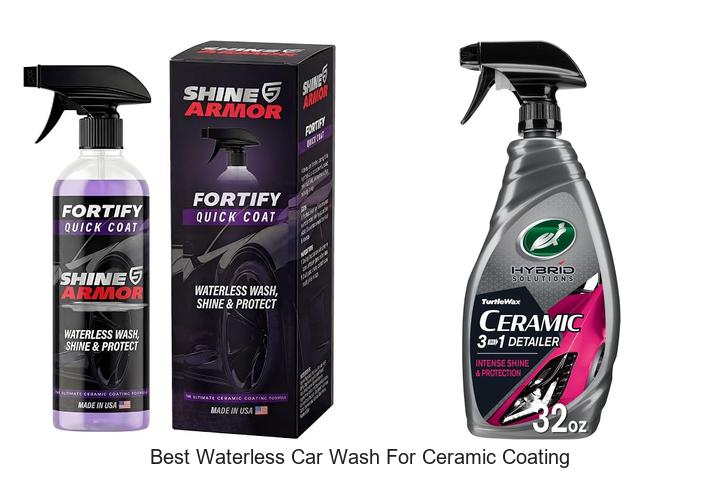
Thou should choose pH-balanced, salt-removing shampoos and waxes with antifreeze properties. Microfiber towels and snow foam are your allies. These products protect paint and prevent ice buildup, keeping your car spotless despite winter’s harsh grip.
How Does Salt Affect My Car’s Undercarriage?
Salt accelerates rust and corrosion on your car’s undercarriage by trapping moisture against metal parts. You’ll want to rinse it off regularly, especially in winter, to prevent damage and extend your vehicle’s lifespan.
Can Snow Removal Replace Car Washing in Winter?
No, snow removal can’t replace car washing in winter. You’ll still need to wash your car to remove salt and grime buildup, which snow shoveling won’t fully eliminate, preventing rust and corrosion effectively.
Conclusion
Now that you know the secrets to washing your car safely in winter, don’t let the cold keep you from protecting your ride. But here’s the twist—you might be surprised how a little care can save you from bigger problems down the road. So next time frost bites or snow piles up, you’ll be ready to tackle the chill without a hitch. Ready to give your car the winter wash it deserves?