How Do Spark Plugs Cause Engine Misfires?
Spark plugs cause engine misfires when they fail to ignite the air-fuel mixture properly. This can happen if the spark plug is worn, contaminated with oil or carbon deposits, or has an incorrect gap size. A weak or inconsistent spark leads to rough idling, poor acceleration, and increased fuel consumption. You can often identify misfires by checking spark plugs for damage or deposits. Keep exploring to understand the causes, symptoms, and solutions for spark plug-related misfires.
What Do Spark Plugs Do in Your Engine?
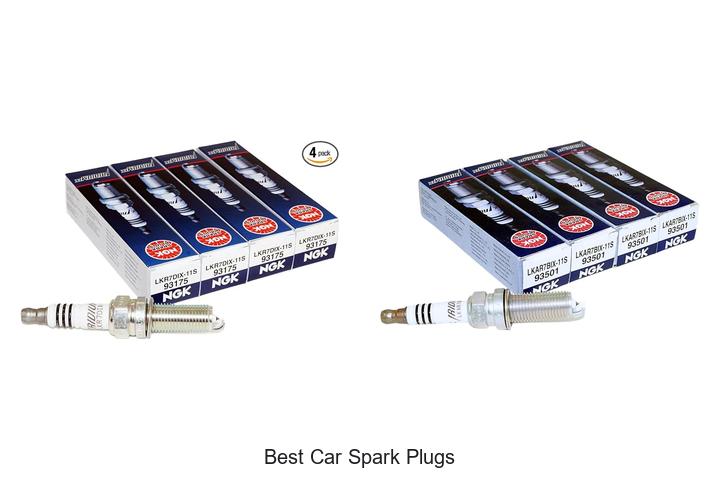
Spark plugs ignite the air-fuel mixture inside your engine’s cylinders, creating the explosion that powers your vehicle. They deliver the electric spark needed at just the right moment, ensuring smooth combustion.
When you turn the key, your ignition system sends a high-voltage charge to each spark plug. That charge jumps the gap at the plug’s tip, igniting the mixture. Without this spark, your engine wouldn’t start or run efficiently.
Each cylinder relies on its spark plug to ignite precisely, which keeps your engine balanced and responsive. If a spark plug doesn’t work properly, the combustion process falters, leading to rough idling or decreased power.
How Do Spark Plugs Ignite the Air-Fuel Mix?
When the ignition system sends a high-voltage charge to the plug, it creates a small gap where the electricity jumps, producing a spark. This spark ignites the compressed air-fuel mixture inside the engine’s cylinder.
You rely on this precise timing because the spark needs to occur at the right moment for efficient combustion. The spark plug’s electrodes generate enough heat and energy to ignite the mixture, causing a controlled explosion.
This explosion pushes the piston down, generating power to move your vehicle. If the spark isn’t strong or timed correctly, the air-fuel mix won’t ignite properly, leading to poor engine performance.
What Are the Symptoms of Spark Plug Misfires?
How can you tell if your engine is misfiring due to faulty plugs? One clear sign is a rough idle—your engine may shake noticeably when you’re stopped.
You might also notice a drop in acceleration or power; your car won’t respond as smoothly when you press the gas.
Another symptom is increased fuel consumption since misfires cause incomplete combustion.
You could also feel vibrations or hear popping sounds from the engine.
Additionally, your check engine light might come on, signaling ignition issues.
If you experience any combination of these symptoms, faulty spark plugs might be the cause.
Addressing them promptly can prevent further engine damage and restore smooth performance.
What Causes Spark Plug Engine Misfires?
If you’ve noticed signs like rough idling or decreased power, it’s important to understand what might be triggering those misfires.
Spark plug engine misfires often happen when the spark plug can’t deliver a strong enough spark to ignite the air-fuel mixture properly. This can be caused by issues like worn electrodes, incorrect gap size, or contamination from oil, fuel, or carbon deposits.
Additionally, problems with the ignition system, such as weak ignition coils or faulty wiring, can prevent the spark plug from firing correctly. When the spark plug fails to ignite the mixture at the right time, combustion becomes incomplete or inconsistent, leading to misfires.
Identifying these causes early helps you maintain smooth engine performance and avoid further damage.
What Common Spark Plug Problems Cause Misfires?
Since spark plugs play an essential role in igniting your engine’s air-fuel mixture, common problems like worn electrodes, incorrect gaps, and contamination can easily cause misfires.
When the electrodes wear down, the spark weakens, making it harder to ignite the fuel properly. Contamination from oil, carbon, or fuel deposits can insulate the spark plug, preventing it from firing correctly.
Additionally, if the spark plug isn’t seated properly or has damaged threads, it can disrupt the combustion process. Cracked porcelain insulators also cause misfires by allowing the spark to escape before it reaches the combustion chamber.
How Does Spark Plug Gap Affect Misfires?
Incorrect spark plug gap directly impacts your engine’s ability to ignite the air-fuel mixture efficiently. If the gap is too wide, the spark might be too weak or fail to jump across, causing incomplete combustion or misfires.
On the other hand, a gap that’s too narrow can produce a weak spark, reducing ignition power and leading to rough engine performance. You need to guarantee the gap matches your vehicle manufacturer’s specifications for ideal firing.
Using a feeler gauge, you can measure and adjust the gap precisely. Maintaining the correct spark plug gap helps your engine run smoothly, improves fuel efficiency, and prevents misfires caused by inconsistent ignition.
Regularly checking and resetting the gap is a simple yet vital step in avoiding engine misfires linked to spark plugs.
How Does Carbon Buildup on Spark Plugs Cause Misfires?
When carbon builds up on your spark plugs, it interferes with the spark’s ability to ignite the air-fuel mixture properly. This buildup creates a layer of insulating material on the electrodes, which weakens or blocks the spark needed for combustion.
As a result, your engine may experience misfires, leading to rough idling, reduced power, and increased emissions. Carbon deposits also cause the spark to jump erratically or short-circuit to the spark plug body, preventing consistent firing.
You might notice decreased fuel efficiency and engine hesitation as symptoms. Regular maintenance, including cleaning or replacing spark plugs, helps prevent carbon buildup and keeps your engine running smoothly.
Ignoring this can lead to more severe engine problems down the road, so addressing carbon buildup promptly is vital.
How Does Incorrect Spark Plug Heat Range Lead to Misfires?
Beyond carbon buildup, another common cause of engine misfires lies in the spark plug’s heat range.
If you choose a spark plug with the wrong heat range, it won’t dissipate heat correctly. A plug that’s too hot can cause pre-ignition or detonation, leading to uneven combustion and misfires.
On the other hand, a plug that’s too cold won’t reach the temperature needed to burn off deposits, causing fouling and weak sparks.
Both situations disrupt the combustion process, making your engine run rough or stall.
By using the correct heat range specified for your engine, you guarantee ideal spark plug temperature, consistent ignition, and smooth engine performance.
How to Diagnose Misfires From Faulty Spark Plugs?
Wondering how to pinpoint if your engine misfires are due to faulty spark plugs? Start by paying attention to symptoms like rough idling, poor acceleration, or increased fuel consumption.
Use an OBD-II scanner to check for misfire codes, which often indicate specific cylinders affected. Next, swap spark plugs between cylinders if possible; if the misfire moves with the plug, it’s a clear sign the plug is the culprit.
Also, listen for unusual engine noises or hesitation during acceleration, which often point to ignition issues. Remember, faulty plugs can cause incomplete combustion, so checking your ignition timing and spark plug connections can help isolate the problem.
These steps will guide you in diagnosing if spark plugs cause your misfire.
How to Check Spark Plugs for Misfire Signs?
How can you tell if your spark plugs are causing misfires? Start by removing a spark plug using a socket wrench.
Inspect the electrode for wear or damage—look for rounded or eroded edges. Check for carbon deposits or oily residue, which can indicate fouling. A healthy spark plug usually has a light tan or grayish color.
If you see black soot, white deposits, or excessive gap wear, it’s a sign the plug isn’t firing properly. Measure the gap with a feeler gauge to confirm it matches your vehicle’s specifications.
Also, check for cracks or burns on the ceramic insulator. If any of these signs are present, your spark plugs could be the root cause of misfires.
How Replacing Spark Plugs Fixes Engine Misfires
When you replace worn or damaged spark plugs, you restore the consistent ignition needed for smooth engine performance.
Old plugs often struggle to create a strong spark, causing incomplete combustion and engine misfires.
Installing new spark plugs guarantees each cylinder fires properly, improving fuel efficiency and power delivery.
This replacement helps your engine run more smoothly, reduces emissions, and prevents rough idling or hesitation during acceleration.
By addressing the root cause—poor spark generation—you eliminate misfires that can lead to more serious engine problems if ignored.
How to Prevent Spark Plug Misfires
Because spark plug misfires can disrupt your engine’s performance, taking proactive steps to prevent them is crucial.
Start by regularly inspecting your spark plugs for wear, deposits, or damage. Replace them according to your vehicle manufacturer’s recommended schedule to maintain peak ignition. Use the correct spark plug type and gap size specified for your engine to guarantee proper firing.
Keep your ignition system clean and dry, avoiding moisture that can cause fouling or corrosion. Also, check for damaged ignition wires or coils and replace them promptly.
Regular engine tune-ups help identify potential issues early, preventing misfires before they start. By staying on top of maintenance and addressing small problems quickly, you’ll keep your engine running smoothly and avoid costly repairs down the road.
When Should You See a Mechanic for Spark Plug Problems?
Wondering if that occasional engine hiccup is serious enough to see a mechanic? If you notice persistent misfires, rough idling, or a sudden drop in fuel efficiency, don’t wait.
These symptoms often point to spark plug issues that need professional attention. Also, if your check engine light comes on and stays lit, it’s a clear sign to get your vehicle checked.
Ignoring spark plug problems can lead to more severe engine damage, costing you more time and money down the road. Even if the symptoms seem minor, it’s best to have a mechanic inspect your spark plugs to ascertain they’re functioning properly.
Early diagnosis can prevent costly repairs and keep your engine running smoothly.
Tips for Maintaining Spark Plugs to Avoid Misfires
Maintaining your spark plugs regularly can greatly reduce the chances of engine misfires and improve overall performance.
Start by checking them during routine oil changes or every 30,000 miles, depending on your vehicle’s recommendation. Clean the spark plugs if you notice carbon buildup, but replace them if they appear worn or damaged.
Use the correct spark plug type and gap size specified in your owner’s manual to guarantee peak ignition. When installing new plugs, tighten them to the proper torque to avoid damage or poor contact.
Also, inspect the spark plug wires or ignition coils for cracks or wear, as faulty components can lead to misfires.
Consistent maintenance keeps your engine running smoothly and prevents costly repairs down the road.
Frequently Asked Questions
Can Spark Plugs Affect Fuel Efficiency?
Yes, spark plugs directly affect your fuel efficiency. When they’re worn or dirty, they cause incomplete combustion, making your engine work harder and burn more fuel. Replacing them keeps your car running smoothly and saves gas.
Are All Spark Plugs Interchangeable Between Car Models?
Think of spark plugs as keys to your car’s engine lock—each model needs a specific key. You can’t just swap any key; you’ll cause trouble. So, no, spark plugs aren’t universally interchangeable between car models.
How Long Do Spark Plugs Typically Last?
You can expect spark plugs to last between 30,000 to 100,000 miles, depending on the type and driving conditions. It’s smart to check your owner’s manual for specific replacement intervals and keep an eye on performance.
Can Bad Spark Plugs Damage the Catalytic Converter?
Bad spark plugs can definitely damage your catalytic converter. When they misfire, unburned fuel enters the exhaust, overheating the converter like a bull in a china shop, causing costly damage you’ll want to avoid.
Do Spark Plugs Need Special Tools for Replacement?
You don’t always need special tools to replace spark plugs, but a spark plug socket and a ratchet are essential. Some vehicles may require specific tools or extensions, so checking your car’s manual helps you get it right.
Conclusion
If you ignore spark plug issues, your engine could feel like it’s running on a dozen spinning wheels instead of smooth power. Spark plugs are tiny but mighty—they ignite the air-fuel mix that keeps your engine roaring. Catching misfires early and replacing worn plugs can save you from a world of trouble. Don’t wait for your car to cough and sputter; maintain your spark plugs regularly to keep your ride running flawlessly.