How Does a Car Wash Damage Your Car and How to Prevent It
Car washes can damage your car by scratching paint with dirty brushes, wearing down protective wax with harsh chemicals, and harming seals or trim with high-pressure jets. To prevent this, rinse the car first, use gentle soaps, and dry with a microfiber towel. Avoid automated brushes when possible, and regularly apply wax or sealant to protect the finish. If you want to keep your car looking its best and spot problems early, it helps to understand these risks and safe care tips.
Why Car Washes Can Sometimes Damage Your Car’s Paint
Although car washes seem convenient, they can sometimes harm your car’s paint. When you drive through, leftover dirt or grit stuck on your car gets dragged across the surface. This abrasive action can cause tiny scratches or swirl marks.
Additionally, some car washes use harsh chemicals that strip protective wax from your paint, leaving it vulnerable to fading and damage. Water pressure can also be a factor; if it’s too strong, it might chip or wear down the finish over time.
You mightn’t notice these effects immediately, but repeated washes can gradually degrade your car’s appearance. To protect your paint, it’s important to choose gentler options and stay aware of the potential risks involved with frequent automatic washes.
How Car Wash Brushes Scratch Your Paint
Car wash brushes can cause significant scratches on your car’s paint because they often trap dirt and debris in their bristles.
When the brushes spin and rub against your vehicle, those particles act like sandpaper, grinding tiny scratches into the clear coat and paint. You mightn’t notice the damage immediately, but over time, these fine scratches dull your car’s finish and make it more vulnerable to rust and fading.
To protect your paint, avoid car washes that use stiff or poorly maintained brushes. Instead, opt for touchless or soft-cloth car washes that minimize direct contact.
You can also wash your car by hand using gentle tools to keep your paint smooth and scratch-free.
Why Harsh Chemicals Strip Your Car’s Protective Wax
When you use harsh chemicals in a car wash, they can quickly break down the protective wax layer on your vehicle.
This wax acts as a barrier, shielding your paint from UV rays, dirt, and moisture. Harsh detergents and strong solvents strip away this layer by dissolving the wax molecules, leaving your paint exposed.
Without that protective coating, your car becomes more vulnerable to oxidation, fading, and minor scratches. Over time, repeated exposure to these chemicals accelerates wear and dulls your car’s finish.
To protect your paint, choose car washes that use gentle, pH-balanced soaps or wash your car by hand with mild products. This way, you preserve the wax layer and maintain your vehicle’s shine and protection longer.
How High-Pressure Water Jets Harm Trim and Seals
Because high-pressure water jets deliver intense force, they can damage your car’s trim and seals if you’re not careful.
These jets can loosen or crack rubber seals around windows and doors, leading to water leaks and wind noise. Plastic trim pieces may get dislodged or scratched when hit by a powerful stream. Over time, repeated exposure weakens these components, reducing their effectiveness and appearance.
To protect your car, avoid standing too close to sensitive areas during a wash. You can also choose car washes with adjustable pressure settings or opt for hand washing in those spots.
Regularly inspect your trim and seals for damage so you can address issues early before they worsen. Taking these steps helps maintain your car’s integrity and value.
Can Automatic Car Washes Damage Sensors and Cameras?
Although automatic car washes offer convenience, they can sometimes pose risks to your vehicle’s sensors and cameras. These components are delicate and can get misaligned or damaged by strong brushes or high-pressure water jets.
If your sensors or cameras aren’t properly protected, water infiltration or physical impact might cause malfunctions, affecting features like parking assistance or lane-keeping systems.
To prevent damage, check if your car wash uses touchless systems that rely on water and detergents without brushes. Always inspect your sensors and cameras before and after a wash to spot any issues early.
When in doubt, opt for hand washing or take your vehicle to a professional who understands how to safely clean around these sensitive areas.
How Dirt and Grit in Car Washes Damage Paint
Protecting your car’s sensors and cameras is important, but you also need to contemplate how dirt and grit caught in the brushes or lingering in the water can harm your paint.
When these abrasive particles get trapped in the car wash brushes or on the cloth, they act like sandpaper, scratching your car’s surface as the brushes move. Even tiny scratches can dull your paint’s finish over time, making it more vulnerable to rust and fading.
To prevent this, choose car washes that regularly clean their equipment and use soft, non-abrasive materials. Hand washing with clean, grit-free sponges or microfiber towels also minimizes the risk.
Always rinse your car thoroughly before washing to wash away loose dirt that can cause damage during the cleaning process.
How Washing Too Often Can Wear Down Your Paint
If you wash your car too frequently, you risk gradually wearing down its paint. Every wash involves scrubbing and exposure to chemicals that, over time, strip away the protective clear coat.
This clear coat shields your paint from UV rays, dirt, and moisture. When it wears thin, your car’s paint becomes vulnerable to fading, chipping, and corrosion. Frequent washing, especially with harsh soaps or rough sponges, accelerates this process.
To protect your paint, wash your car only when necessary—usually every two weeks or after exposure to harmful contaminants like salt or bird droppings. This balance helps maintain your car’s finish without unnecessary abrasion.
Which Car Washes Are Gentle and Safe for Your Vehicle
Choosing the right car wash can make a big difference in maintaining your vehicle’s finish.
Touchless car washes are generally gentler because they rely on high-pressure water and detergents instead of brushes, reducing the risk of scratches. If you prefer brush washes, look for those with soft, microfiber or foam brushes, which are less abrasive than traditional bristles.
Hand washes performed by professionals using proper techniques and quality products are also safe options. Avoid budget automatic washes with stiff brushes or dirty equipment, as they can cause micro-scratches and swirl marks.
Always check reviews and ask about their cleaning methods before committing. By choosing a gentle, well-maintained car wash, you’ll help protect your paint and keep your vehicle looking its best longer.
How to Wash Your Car Yourself Without Damaging It
When you wash your car yourself, using the right techniques and materials can prevent damage to the paint and finish.
Start by rinsing your car thoroughly to remove loose dirt and grit that can scratch the surface. Use two buckets—one with soapy water and one with clean water—to keep your wash mitt clean and avoid rubbing dirt back onto the paint.
Always wash your car in sections, rinsing each area before the soap dries. Use a soft microfiber mitt or sponge, applying gentle pressure to avoid scratches.
Dry your car with a clean microfiber towel, patting instead of rubbing to prevent swirl marks. Avoid washing your car in direct sunlight, as this can cause water spots and streaks.
These steps help protect your car’s exterior effectively.
Safe Cleaning Products to Protect Your Car’s Paint
Using the right techniques is only part of protecting your car’s paint; the products you select play a big role too. Choosing safe, high-quality cleaning products prevents scratches, fading, and chemical damage.
Avoid harsh detergents and opt for those designed specifically for automotive finishes. Here are some essentials to keep in mind:
- pH-balanced car wash soaps that won’t strip wax or sealants
- Microfiber wash mitts and towels to minimize abrasion
- Clay bars to gently remove contaminants without harming paint
- Paint sealants or waxes that offer a protective barrier against dirt and UV rays
How to Spot Car Wash Damage Early and What to Do
Although car washes can save you time, they sometimes cause subtle damage that’s easy to miss at first. You should regularly inspect your car’s paint for fine scratches, swirl marks, or dull spots after washing.
Check rubber seals and trim for cracks or discoloration, which might indicate harsh chemicals or abrasive brushes. Also, pay attention to any unusual noises or vibrations during the wash, as they could signal mechanical issues with the equipment.
If you spot damage early, rinse your car immediately with clean water to remove leftover chemicals. Apply a quality wax or sealant to protect the paint and consider hand washing until the damage heals.
Promptly addressing these signs helps maintain your car’s finish and prevents costly repairs down the road.
How to Keep Your Car Shiny Between Washes
How often do you notice your car losing its shine between washes? Keeping it glossy doesn’t require a full wash every time.
You can maintain that fresh look by taking simple steps regularly.
Try these tips to keep your car shiny between washes:
- Use a quick detailer spray to remove dust and fingerprints without water.
- Wipe down surfaces with a microfiber cloth to avoid scratches.
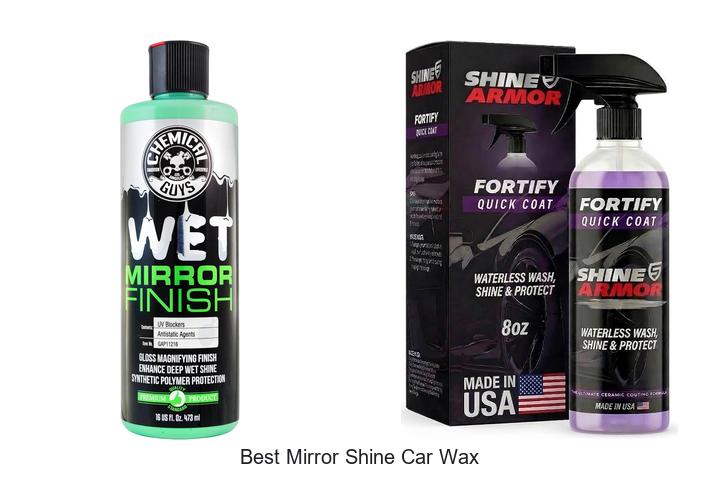
- Apply a spray wax or sealant to protect paint and enhance gloss.
- Park in shaded or covered areas to prevent sun damage and fading.
Frequently Asked Questions
Can Car Washes Cause Damage to Car Interiors?
Yes, car washes can cause damage to your car’s interior if water seeps inside or harsh chemicals are used. You should avoid automated washes with poor seals and always check your windows and doors are properly closed.
Do Touchless Car Washes Clean as Effectively as Brush Washes?
Touchless car washes clean your car effectively without brushes, reducing scratch risk. However, they might struggle with heavy dirt or grime compared to brush washes. You’ll need to decide based on your car’s condition and preferences.
How Often Should I Wax My Car to Maintain Protection?
Want your car’s shine lasting? You should wax it every three months to maintain protection. Regular waxing shields paint from dirt, UV rays, and water damage, keeping your ride looking fresh and guarded against wear.
Are There Specific Car Models More Prone to Wash Damage?
Yes, you’ll find that older cars or those with delicate paint jobs are more prone to wash damage. Be extra cautious with luxury or vintage models, as their finishes often require gentler, specialized cleaning methods.
Can DIY Car Wash Methods Save Money Long-Term?
Yes, DIY car washes can save you money long-term if you use proper tools and techniques. You’ll avoid costly damage and reduce professional fees, but you’ll need patience and consistent care to keep your car looking great.
Conclusion
Just like a delicate dance, washing your car requires gentle moves and the right touch. Avoid harsh brushes and chemicals that can leave scratches or strip away your car’s shine. Treat your vehicle like a trusted friend—handle it with care, use safe products, and stay vigilant for early damage signs. By doing so, you’ll keep your car gleaming like a classic masterpiece, ready to turn heads wherever the road takes you.