Does a Car Wash Scratch Your Car and How to Avoid It
Car washes can scratch your car, especially if brushes trap dirt or equipment isn’t well-maintained. Overly aggressive brushes or harsh chemicals may damage your paint’s clear coat, causing swirl marks. To avoid scratches, opt for touchless washes or hand wash using microfiber mitts and pH-balanced soap. Always rinse off loose dirt first and dry gently with a soft towel. Want to learn how to spot the best methods and fix minor scratches?
Do Car Washes Scratch Your Car?
Have you ever wondered if car washes can actually scratch your paint? The short answer is: it depends.
Automatic car washes use brushes or cloth strips that might trap dirt or debris, which can cause minor scratches. However, many modern car washes use soft, touchless technology designed to minimize contact and reduce the risk of damage.
Your car’s condition also matters—older paint with chips or damage is more vulnerable. If you wash regularly, dirt buildup is less likely to cause scratches.
Ultimately, while car washes can sometimes cause light scratches, they’re usually minimal if the equipment is well-maintained and your vehicle’s paint is in good shape. You can reduce risks by choosing reputable car washes with updated, gentle systems.
How Car Washes Cause Paint Scratches
Although car washes are meant to clean your vehicle, certain factors can cause them to scratch your paint. The brushes and cloths used may trap dirt and grit, acting like sandpaper against your finish.
Automated systems sometimes apply harsh pressure, which can leave swirl marks or fine scratches. Additionally, chemical residues left behind might degrade the clear coat over time, making it more vulnerable.
Here’s how scratches happen during car washes:
- Dirt and debris caught in brushes or cloths
- Overly aggressive brush pressure
- Using abrasive or dirty cleaning materials
- Harsh chemicals weakening paint protection
- Poorly maintained equipment with rough surfaces
Being aware of these causes helps you protect your car’s finish better during washes.
Which Car Wash Types Minimize Paint Damage
When you want to protect your car’s paint, choosing the right type of car wash matters a lot. Hand washing is the safest option since you control the pressure and tools, minimizing scratches.
If you prefer automated washes, opt for those using soft cloth or foam brushes instead of harsh brushes or abrasive materials. Touchless car washes use high-pressure water and detergents to clean without physical contact, reducing the chances of scratches, but they may not remove stubborn dirt as effectively.
Avoid drive-through car washes with worn-out or dirty brushes, as these can trap debris and cause damage.
Ultimately, regularly washing your car using gentle methods and clean equipment helps maintain your paint’s finish and prevents unnecessary damage.
Are Touchless Car Washes Really Scratch-Free?
Touchless car washes offer a tempting promise: cleaning your vehicle without any physical contact, which should mean no scratches.
However, they aren’t entirely scratch-free. Since they rely on high-pressure water jets and strong detergents, some risks remain. Dirt and debris aren’t physically removed before spraying, which might cause minor damage.
Here’s what you should know about touchless car washes:
- High-pressure water can push dirt across paint surfaces.
- Strong chemicals may dull protective coatings.
- No brushes mean fewer direct scratches but not zero risk.
- Effectiveness varies by machine quality and maintenance.
- Pre-rinsing your car can reduce abrasives and potential damage.
Understanding Swirl Marks From Car Washing
You’ll often notice swirl marks after washing your car, especially if you’re not careful with your technique or tools.
These fine, circular scratches appear when dirt or grit trapped in your cleaning cloth or sponge drags against the paint. Using harsh or dirty towels, applying too much pressure, or washing in direct sunlight can worsen the effect.
Swirl marks don’t just affect your car’s shine—they can dull the paint over time. To avoid this, always use clean, soft microfiber towels and gentle, circular motions with minimal pressure.
Rinse your car thoroughly before washing to remove loose debris. Understanding how swirl marks form helps you take smarter steps to keep your paint smooth and glossy after every wash.
How Automatic Brush Car Washes Damage Your Paint
Although automatic brush car washes offer convenience, they can cause significant damage to your car’s paint. The rotating brushes often trap dirt and grit from previous washes, turning them into abrasive tools that scratch your surface.
The harsh bristles may wear down your clear coat over time, leading to dullness and vulnerability. Additionally, the frequent friction can create swirl marks, which are fine scratches that mar the finish.
Here’s how these washes damage your paint:
- Brushes hold debris that scratches paint
- Harsh bristles erode clear coat layers
- Friction causes swirl marks and micro-scratches
- Chemicals used may strip protective wax
- Repeated exposure accelerates paint wear
Knowing this helps you make informed choices about how you wash your car.
How to Protect Your Car Before a Car Wash
Before heading to a car wash, taking a few precautionary steps can save your paint from unnecessary damage.
First, rinse your car thoroughly with water to remove loose dirt and grit that could scratch the surface during washing.
Next, close all windows and sunroofs tightly to prevent water from seeping inside.
Remove or secure any antennas, side mirrors, or accessories that might get damaged or cause scratches.
Inspect the car wash facility for cleanliness and well-maintained equipment—dirty brushes or worn-out cloth strips often cause scratches.
Finally, choose a car wash method suited for your vehicle’s finish, and avoid washes with harsh brushes if possible.
These simple actions help protect your car’s paint and keep it looking pristine.
Why Hand Washing Is Safer Than Automatic Washes
Because hand washing lets you control every step, it reduces the risk of scratches and damage that automatic washes often cause.
When you wash by hand, you can carefully avoid harsh brushes and dirty rollers that trap grit and scratch your paint. You also get to choose gentle cleaning products and soft materials tailored to your car’s finish. Plus, hand washing allows you to focus on problem areas without rushing.
Here’s why hand washing is safer:
- You control water pressure and temperature
- You use soft microfiber mitts instead of abrasive brushes
- You rinse frequently to remove dirt before it scratches
- You avoid harsh chemicals found in some automatics
- You can inspect and treat spots immediately
Hand washing gives you the precision to keep your car’s paint flawless.
How to Dry Your Car Without Causing Swirl Marks
When you finish washing your car, drying it properly is essential to prevent swirl marks that can dull your paint.
Start by using a clean, soft microfiber towel designed for drying cars. Avoid regular bath towels or old rags, as they can trap dirt and scratch the surface.
Gently blot or pat dry instead of rubbing aggressively, which reduces the chance of creating swirls. Consider using a drying aid or spray detailer to add lubrication, making the towel glide smoothly over the paint.
Change towels frequently if drying a large vehicle, so you’re not dragging dirt across the surface. For hard-to-reach areas, use a soft blower or air compressor to remove water without contact.
Following these steps keeps your paint flawless and glossy after every wash.
When Should You Avoid Car Washes to Protect Paint?
How do you know the best times to skip a car wash to protect your paint? Avoid washing your car when conditions might cause more harm than good.
For instance, steer clear if:
- The sun’s blazing hot, as heat can dry soap too fast, leaving spots.
- Your car’s covered in heavy mud or debris that could scratch the surface during washing.
- It’s freezing outside; water can freeze on your paint and cause damage.
- The car wash looks poorly maintained with dirty brushes or cloths.
- You’ve just applied a fresh wax or sealant; washing too soon can strip it away.
How to Fix Minor Scratches From Car Washes
Minor scratches from car washes can be frustrating, but you don’t have to live with them.
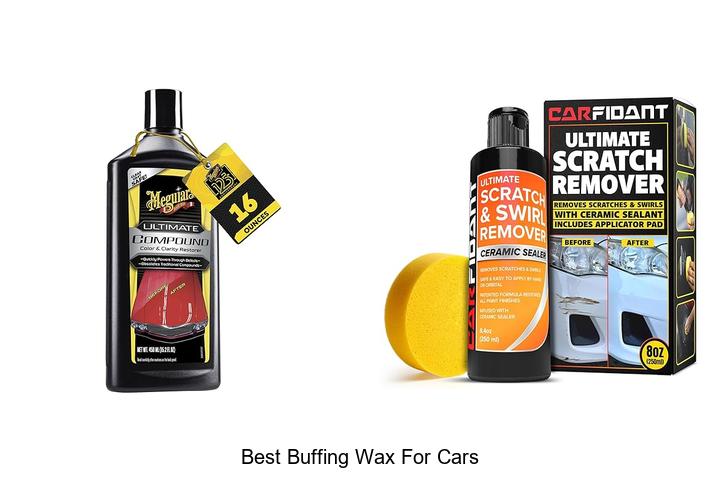
Start by washing your car thoroughly to remove dirt and debris that could worsen scratches during repair. Use a high-quality scratch remover or polish designed for automotive paint. Apply it with a microfiber cloth in small, circular motions until the scratch fades.
For slightly deeper scratches, consider a rubbing compound, but use it sparingly to avoid damaging the clear coat. Afterward, apply a wax or sealant to protect the area and restore shine.
If scratches are too deep or extensive, professional help may be necessary. By addressing minor scratches promptly and correctly, you can maintain your car’s appearance and prevent damage from worsening.
Best Habits to Keep Your Car’s Finish Scratch-Free
To keep your car’s finish looking pristine, you’ll want to adopt habits that prevent scratches before they happen. Protecting your paint requires consistent care and smart choices every day.
Start by washing your car regularly with a soft microfiber mitt and pH-balanced soap to avoid abrasive damage. Always dry it using a clean, soft towel to prevent swirl marks.
When parking, aim for spots away from shopping carts and busy areas to reduce accidental scrapes. Avoid automatic car washes with harsh brushes, and instead opt for touchless or hand washes.
Finally, apply a high-quality wax or sealant every few months to add a protective layer against dirt and minor scratches. Following these habits keeps your car’s finish smooth and shiny for years.
- Use microfiber cloths for washing and drying
- Choose gentle, pH-neutral car shampoos
- Park in low-traffic, safe areas
- Skip automatic brush car washes
- Regularly wax or seal your paint
Frequently Asked Questions
Can Car Wash Chemicals Damage Tinted Windows?
Yes, some car wash chemicals can damage tinted windows by causing discoloration or peeling. You should avoid harsh detergents and opt for gentle, tint-safe products to keep your windows looking great and protected.
How Often Should You Wash Your Car to Maintain Paint?
Think of your car’s paint as a garden; you should wash it every two weeks to keep it vibrant. Regular washing removes harmful dirt and contaminants, helping you preserve its shine and protect that delicate surface beneath.
Do Car Washes Remove Wax or Sealant From Paint?
Yes, some car washes can strip wax or sealant from your paint. To avoid this, choose gentle, touchless washes or wash your car by hand using pH-neutral soaps that preserve your protective coatings effectively.
Are There Specific Car Wash Soaps Recommended for Clear Coats?
Yes, you should use pH-balanced, clear coat-safe car wash soaps to protect your paint. Avoid harsh detergents or dish soaps since they strip wax and damage clear coats, keeping your car’s finish smooth and shiny.
Can Car Wash Brushes Damage Aftermarket Paint Protection Film?
Yes, car wash brushes can damage aftermarket paint protection film since they’re often too abrasive. You’ll want to skip brushes and opt for touchless or microfiber mitt washes to keep your film looking flawless and avoid scratches.
Conclusion
You might think a quick car wash is harmless, but even gentle scrubs can leave tiny scratches that steal your car’s shine. By choosing touchless washes, drying carefully with a microfiber cloth, and avoiding washes when dirt’s too abrasive, you protect your paint like a true guardian. Remember, your car’s finish isn’t just paint—it’s your pride on wheels. Treat it well, and it’ll reward you with a lasting glow that turns heads everywhere you go.