How Long Can You Drive With Bad Spark Plugs?
You can drive with bad spark plugs for a short time—usually a few hundred miles—but it’s not a good idea. Faulty plugs cause rough idling, misfires, and reduced fuel efficiency, putting extra strain on your engine. If you ignore them, you risk serious damage and costly repairs. To keep your car running smoothly and avoid unexpected breakdowns, it’s best to replace worn spark plugs promptly. Keep going, and you’ll learn how to spot and fix these issues early.
What Do Spark Plugs Do in Your Engine?
Spark plugs ignite the air-fuel mixture in your engine’s cylinders, creating the explosions that power your car. When you turn the key, the spark plug generates a small electric spark at just the right moment, causing combustion. This controlled explosion pushes the piston down, turning the crankshaft and ultimately moving your vehicle.
Without properly functioning spark plugs, your engine won’t run smoothly or efficiently. They also help maintain fuel efficiency and reduce emissions by ensuring complete combustion. If your spark plugs wear out or malfunction, your engine may misfire, hesitate, or stall.
Understanding their role helps you appreciate why keeping them in good condition is essential for your car’s performance and longevity. You rely on them every time you hit the road.
How to Spot Failing Spark Plugs Early
Even if your engine seems fine at first, you can catch failing spark plugs before they cause serious problems by paying attention to a few key signs.
Listen for rough idling or engine misfires, which often indicate spark plugs aren’t firing properly. You might also notice a decrease in fuel efficiency or trouble starting your car.
Check for unusual engine vibrations or a loss of power during acceleration. If your check engine light flickers or stays on, don’t ignore it—it could point to spark plug issues.
Regularly inspect your spark plugs for buildup, wear, or damage during maintenance. Spotting these early signs helps you address the problem promptly, preventing further engine strain and costly repairs down the line.
How Bad Spark Plugs Hurt Your Car’s Performance
When your spark plugs go bad, your car’s engine can’t perform at its best. You’ll notice rough idling, hesitation during acceleration, and a drop in fuel efficiency.
Bad spark plugs cause incomplete combustion, meaning your engine won’t fire properly, which reduces power output. This incomplete combustion can also lead to misfires, making your drive jerky and less smooth.
Over time, your engine struggles to maintain consistent performance, and you might experience increased emissions, which isn’t great for the environment or passing inspections.
Plus, your car’s overall responsiveness suffers, making it harder to drive confidently.
Addressing bad spark plugs promptly helps you avoid these performance issues and keeps your engine running smoothly, efficiently, and reliably.
Driving With Worn Spark Plugs: How Long Is Safe?
Noticing your car’s performance slipping due to worn spark plugs raises an important question: how long can you safely keep driving before replacement becomes urgent?
Generally, you can drive for a short period—perhaps a few hundred miles—without immediate danger. However, this window varies based on your vehicle, driving conditions, and how worn the plugs are.
If you’re experiencing minor symptoms like rough idling or reduced fuel efficiency, it’s best not to delay repairs too long. While a brief delay mightn’t cause drastic damage, pushing it further risks escalating issues.
To stay safe and maintain your car’s efficiency, schedule a spark plug check or replacement promptly once you notice performance drops. Don’t wait until the problem worsens to act.
Risks and Consequences of Ignoring Faulty Spark Plugs
If you ignore faulty spark plugs, you risk more than just decreased performance—you could face serious engine damage and costly repairs.
When spark plugs misfire, unburned fuel can enter the exhaust system, damaging the catalytic converter, which is expensive to replace. Poor combustion also causes your engine to run rough, increasing wear on pistons and cylinders.
Over time, this can lead to reduced fuel efficiency and even engine stalling, leaving you stranded unexpectedly. Ignoring these signs puts extra strain on your ignition system and may result in a complete engine failure.
Addressing faulty spark plugs promptly helps you avoid these risks, keeping your engine running smoothly and saving you from expensive fixes down the road.
Don’t let a small issue turn into a major headache.
How to Test Spark Plug Condition at Home
Wondering how to check your spark plugs without a mechanic? Start by locating the plugs, usually found on the engine’s cylinder head.
Carefully remove one spark plug using a spark plug socket and ratchet. Inspect the tip for signs of wear: a healthy plug looks light gray or tan, while black soot indicates carbon buildup, and oily deposits suggest oil leaks.
Check the electrode gap with a feeler gauge to verify it matches your vehicle’s specifications. If the plug is cracked, worn down, or has heavy deposits, it’s a clear sign of trouble.
You can also perform a spark test by reconnecting the plug wire, grounding the plug’s metal part on the engine, and cranking the engine—look for a strong blue spark.
These simple steps help you assess your spark plugs’ condition at home.
When to Replace Spark Plugs to Avoid Engine Damage
After checking your spark plugs at home, you might see signs that mean it’s time for a replacement. Don’t wait too long—ignoring worn spark plugs can lead to costly engine damage.
Replace them as soon as you notice:
- Rough idling or engine misfires
- Difficulty starting your car
- Decreased acceleration or power
- Poor fuel efficiency
- Visible corrosion, heavy deposits, or worn electrodes
If you spot any of these, schedule a replacement promptly. Driving with bad spark plugs forces your engine to work harder, increasing wear and risking damage to ignition coils and catalytic converters.
Staying ahead by replacing spark plugs when needed helps keep your engine running smoothly and avoids expensive repairs down the line. Remember, timely maintenance protects your investment and guarantees safer, more reliable driving.
Why New Spark Plugs Save You Gas
A set of new spark plugs can greatly improve your vehicle’s fuel efficiency by ensuring a cleaner and more complete combustion process.
When your spark plugs are fresh, they ignite the air-fuel mixture more effectively, allowing your engine to extract maximum energy from each drop of gas. Worn or fouled spark plugs misfire or burn fuel inefficiently, forcing your engine to work harder and consume more fuel.
This inefficiency adds up, reducing your miles per gallon and costing you more at the pump. By replacing old spark plugs promptly, you help your engine run smoothly, optimize fuel usage, and lower emissions.
Spark Plug Maintenance Tips for Longer Life
To keep your spark plugs performing well and extend their lifespan, you need to follow some simple maintenance tips. Regular care helps avoid poor engine performance and costly repairs.
Here’s what you should do:
- Check spark plugs every 30,000 miles or as your vehicle’s manual suggests.
- Clean the plugs gently with a wire brush to remove carbon deposits.
- Inspect the gap between electrodes and adjust it with a gap tool if necessary.
- Replace spark plugs if you notice wear, corrosion, or damage.
- Use the correct type of spark plug recommended for your engine.
What Happens if You Keep Driving With Faulty Spark Plugs?
When you keep driving with faulty spark plugs, your engine won’t run as smoothly as it should. You’ll notice poor acceleration, rough idling, and increased fuel consumption. These issues happen because spark plugs fail to ignite the fuel-air mixture efficiently.
Over time, misfires can cause damage to your catalytic converter, leading to costly repairs. Your engine might also hesitate or stall unexpectedly, putting you at risk while driving. Additionally, faulty spark plugs can increase emissions, which isn’t good for the environment or passing emissions tests.
Ignoring these signs can reduce your vehicle’s overall performance and lifespan. To avoid these problems, replace worn spark plugs promptly and keep your engine running efficiently.
Frequently Asked Questions
Can Bad Spark Plugs Cause My Car to Fail Emissions Tests?
Yes, bad spark plugs can cause your car to fail emissions tests because they lead to incomplete combustion, increasing harmful pollutants. You should replace them promptly to guarantee your vehicle runs efficiently and meets emission standards.
Are Certain Spark Plug Brands Better for High-Performance Cars?
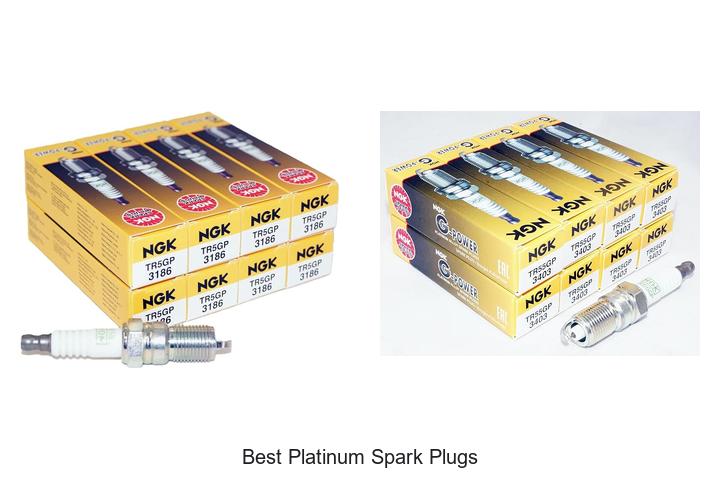
You might find that brands like NGK or Bosch coincide perfectly with your high-performance car’s needs, delivering reliable ignition and improved power. Choosing quality spark plugs can boost performance, so don’t settle for less when upgrading.
How Do Spark Plugs Differ Between Gasoline and Diesel Engines?
You’ll find gasoline engines use spark plugs to ignite fuel-air mix, while diesel engines rely on compression, so they don’t need spark plugs. Diesel engines use glow plugs instead to help start in cold conditions.
Can Weather Conditions Affect Spark Plug Performance?
Ever wonder if cold or wet weather messes with your spark plugs? Yes, it does! Moisture and extreme temperatures can cause misfires and corrosion, so you’ll want to keep them in good shape for reliable starts.
Is It Safe to Drive a Hybrid Car With Bad Spark Plugs?
You shouldn’t drive a hybrid car with bad spark plugs because they can cause engine misfires, reduced fuel efficiency, and potential damage. Get them replaced promptly to keep your car running smoothly and safely.
Conclusion
You might think you can keep driving with bad spark plugs without a problem, but the longer you wait, the worse your car’s performance gets—and the more damage you risk. On one hand, replacing spark plugs promptly boosts your gas mileage and engine health; on the other, ignoring them can lead to costly repairs. Don’t gamble with your ride—swap those worn plugs soon and enjoy smoother, safer drives ahead.