How Many Spark Plugs Are in a V6 Engine?
A typical V6 engine has six spark plugs, with each cylinder getting its own for reliable ignition and smooth operation. Some performance models double that, using two plugs per cylinder—totaling twelve—to boost power and efficiency. You’ll find that proper spark plug quantity is key to your engine’s performance and fuel economy. If you want to understand how the number of spark plugs influences your V6’s power and maintenance, there’s plenty more to explore.
How Many Spark Plugs Does a V6 Engine Have?
Wondering how many spark plugs a V6 engine uses? Typically, a V6 engine has six spark plugs—one for each cylinder.
Each spark plug ignites the air-fuel mixture inside its respective cylinder, helping the engine run smoothly and efficiently. While some engines use two spark plugs per cylinder for better performance or emissions control, standard V6 engines generally stick to six plugs total.
When you check or replace spark plugs on your V6, you’ll usually find one plug per cylinder, making the job straightforward. Knowing this helps you plan maintenance and guarantees your engine stays in good shape.
Why Does Each V6 Cylinder Need Its Own Spark Plug?
Since each cylinder in a V6 engine has its own spark plug, you might ask why that’s necessary. Each cylinder needs a spark plug to ignite the air-fuel mixture inside it independently.
Without individual spark plugs, you couldn’t control the combustion process in each cylinder precisely. This control is essential because cylinders fire at different times in a sequence to keep the engine running smoothly and efficiently.
If one spark plug failed, only that cylinder would be affected, allowing the engine to keep running on the others. This setup guarantees reliable performance, consistent power delivery, and better fuel efficiency.
In short, having a dedicated spark plug for every cylinder lets your engine operate with the precision and balance it needs.
How Does Spark Plug Quantity Affect V6 Engine Performance?
Although the number of spark plugs in a V6 engine might seem fixed, variations can greatly impact your engine’s performance. Typically, each cylinder has one spark plug, ensuring efficient combustion and smooth power delivery.
However, some engines use two spark plugs per cylinder, improving ignition reliability and fuel efficiency. When you have more spark plugs, the air-fuel mixture ignites more evenly, boosting power and reducing emissions.
On the other hand, fewer spark plugs can limit combustion quality, causing misfires or rough idling. So, the quantity directly influences how well your engine burns fuel, affecting acceleration, fuel economy, and emissions.
Understanding this helps you appreciate why manufacturers choose specific spark plug setups to balance performance, efficiency, and durability in your V6 engine.
What Are the Different Spark Plug Setups in V6 Engines?
When you look under the hood, you’ll find that V6 engines come with different spark plug configurations depending on their design and purpose.
The most common setup is one spark plug per cylinder, totaling six spark plugs, which provides reliable ignition and simplicity. Some high-performance or luxury V6 engines use dual spark plugs per cylinder, doubling the number to twelve. This setup improves combustion efficiency, power output, and reduces emissions.
Additionally, certain V6 engines with direct ignition systems might integrate coil-on-plug designs, eliminating traditional spark plug wires for better spark control.
Understanding these variations helps you appreciate how manufacturers tailor spark plug arrangements to balance performance, fuel economy, and emissions standards.
How to Locate Spark Plugs in Your V6 Engine
Knowing the spark plug setup in your V6 engine gives you a good starting point for locating them. Typically, V6 engines have two banks of cylinders arranged in a V shape.
You’ll find the spark plugs positioned on the top or sides of each cylinder head, usually accessible by removing the engine cover. Look for thick wires or ignition coils leading directly to the plugs.
If your engine uses coil-on-plug ignition, the spark plugs are beneath each ignition coil, which you’ll need to gently lift off. Use a flashlight to spot the plugs in tight spaces and avoid disconnecting anything unnecessarily.
Always verify the engine is cool before you start, and consult your vehicle’s manual for exact locations to prevent damage.
What Are the Signs Your V6 Spark Plugs Need Replacing?
If your V6 engine starts misfiring, idling roughly, or showing decreased fuel efficiency, your spark plugs might need replacing.
You might also notice difficulty starting your car or a loss of power during acceleration. A rough engine sound or unusual vibrations can signal worn spark plugs.
Sometimes, your check engine light will come on, indicating ignition problems. If you experience these symptoms, it’s a good idea to inspect your spark plugs for signs of wear, such as corrosion, carbon buildup, or eroded electrodes.
Addressing spark plug issues promptly helps maintain engine performance and prevents further damage. Paying attention to these signs guarantees your V6 engine runs smoothly and efficiently without unexpected breakdowns.
How Often Should You Change Spark Plugs in a V6 Engine?
Recognizing the signs that your V6 spark plugs need replacing is just the first step in keeping your engine running smoothly.
Typically, manufacturers recommend changing spark plugs every 30,000 to 100,000 miles, depending on the type you use. Conventional copper plugs usually require replacement closer to the 30,000-mile mark, while platinum or iridium plugs can last up to 100,000 miles.
However, your driving habits and conditions can affect this interval. If you often drive in stop-and-go traffic or harsh environments, consider inspecting your spark plugs more frequently.
Always check your vehicle’s owner’s manual for the manufacturer’s specific guidance. Staying on top of this maintenance helps prevent misfires, poor fuel economy, and rough idling, ensuring your V6 engine performs at its best.
What Type of Spark Plugs Work Best for V6 Engines?
Choosing the right type of spark plugs for your V6 engine can greatly impact its performance and longevity.
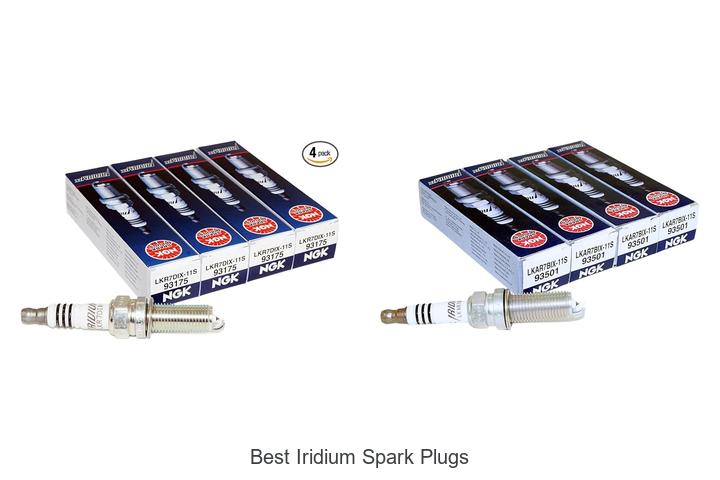
Generally, iridium and platinum spark plugs work best because they offer durability and better ignition. Iridium plugs provide a stronger spark and last longer, which helps your engine run efficiently and reduces misfires. Platinum plugs are also reliable and tend to be more affordable while still improving fuel economy.
Avoid basic copper plugs for modern V6 engines, as they wear out faster and require more frequent replacements. Always check your vehicle’s manual to verify compatibility, and consider your driving habits—if you drive often in tough conditions, investing in high-quality iridium plugs is wise.
Using the right plugs keeps your V6 running smoothly and saves you money over time.
How Do Spark Plug Gaps Affect V6 Engine Efficiency?
Although spark plug gaps might seem like a small detail, they play an essential role in your V6 engine’s efficiency. The gap size directly affects the spark’s strength and consistency, which impacts combustion quality.
If the gap is too wide, the spark may weaken or fail to ignite the fuel-air mixture properly, causing misfires and reduced power. On the other hand, a gap that’s too narrow can limit the spark’s intensity, leading to incomplete combustion and lower fuel efficiency.
Keeping the gap within manufacturer specifications guarantees peak ignition timing and combustion, helping your engine run smoothly and efficiently. Regularly checking and adjusting the spark plug gap maintains peak performance, improves fuel economy, and reduces emissions in your V6 engine.
What Common Mistakes Should You Avoid When Replacing V6 Spark Plugs?
When replacing spark plugs in your V6 engine, avoiding common mistakes can save you time and prevent engine problems.
First, don’t overtighten the plugs; this can damage threads or crack the plug. Use a torque wrench to apply the manufacturer’s recommended torque.
Second, always check and set the correct gap before installation—an incorrect gap affects engine performance.
Third, avoid mixing spark plug types or heat ranges; use the exact replacements specified for your engine.
Fourth, don’t forget to disconnect the battery to prevent accidental shocks.
Finally, make certain the spark plug wells are clean to avoid debris falling into the combustion chamber.
How to Replace Spark Plugs in a V6 Engine
Before you start replacing spark plugs in your V6 engine, make sure the engine is cool to avoid burns.
First, disconnect the negative battery cable to prevent electrical shocks.
Then, remove the engine cover if there’s one, followed by the ignition coils or spark plug wires.
Use a spark plug socket and ratchet to carefully remove each old spark plug.
Check the gap on the new plugs and adjust if necessary before installation.
Finally, thread the new spark plugs by hand to avoid cross-threading, tighten them to the manufacturer’s torque specification, and reconnect the ignition coils or wires and battery cable.
- Cool engine and disconnected battery
- Removed engine cover and ignition coils
- Extracted old spark plugs with socket tool
- Installed new plugs, tightened properly
How Upgrading Spark Plugs Can Boost Your V6 Engine’s Power
Upgrading your V6 engine’s spark plugs can greatly enhance its performance by improving combustion efficiency. When you install high-quality spark plugs, they provide a stronger, more consistent spark, which leads to better fuel ignition.
This improved ignition means your engine burns fuel more completely, boosting power output and throttle response. You’ll also notice smoother acceleration and potentially better fuel economy.
Modern spark plugs, like iridium or platinum types, last longer and resist fouling, reducing misfires and engine hesitation. By choosing the right spark plugs tailored for your V6, you optimize your engine’s power and reliability.
Don’t overlook this simple upgrade—it’s a cost-effective way to get more from your V6 without major modifications.
Frequently Asked Questions
Can a V6 Engine Run With Fewer Than Six Spark Plugs?
You can run a V6 engine with fewer than six spark plugs, but it’ll cause misfires, reduced power, and poor fuel efficiency. Replacing all spark plugs guarantees smooth operation and prevents engine damage over time.
Do Spark Plugs in a V6 Engine Differ by Brand or Manufacturer?
Think of spark plugs like shoes—they come in different brands and styles. You’ll find variations by manufacturer, each designed for specific engines, so choosing the right one guarantees your V6 engine runs smoothly and efficiently.
What Tools Are Needed for Diagnosing Spark Plug Issues in a V6?
You’ll need a spark plug socket, ratchet wrench, gap gauge, and a multimeter. A spark tester helps check ignition, while a compression gauge can identify deeper engine issues affecting spark plug performance.
How Do Spark Plugs in a V6 Affect Fuel Economy?
You can improve fuel economy by up to 30% with properly functioning spark plugs. They guarantee efficient combustion in your V6, reducing wasted fuel and emissions, so keeping them clean and well-maintained really pays off.
Are There Environmental Impacts From Using Different Spark Plugs in a V6?
Yes, you can reduce emissions by using high-quality spark plugs that promote efficient combustion in your V6. Better combustion means less unburned fuel, lowering pollutants and improving your car’s overall environmental impact.
Conclusion
Now that you know a V6 engine typically has six spark plugs—one for each cylinder—you’re better equipped to understand your engine’s performance. Did you know that properly gapped and maintained spark plugs can improve fuel efficiency by up to 30%? Keeping each spark plug in top shape guarantees smooth combustion and power. So, don’t overlook those spark plugs—they’re small but mighty components that keep your V6 running strong and efficient.