How Do Spark Plugs Work in a Car?
You rely on spark plugs to ignite the air-fuel mixture inside your car’s engine cylinder, creating a spark that powers each combustion cycle. When your engine control unit sends a high-voltage current, it jumps across the plug’s gap, firing a spark that triggers combustion and moves the piston down. This process drives your engine smoothly and efficiently. If you want to understand how different plug types and maintenance impact performance, keep exploring these details.
What Are Spark Plugs and Why Are They Important?
Spark plugs are small but crucial components in your car’s engine. You mightn’t notice them, but they play a critical role in starting and running your vehicle smoothly.
Each spark plug fits into the engine’s cylinder head and creates a tiny spark. This spark ignites the air-fuel mixture, which powers the engine. Without spark plugs, your car simply wouldn’t run.
They guarantee your engine fires correctly, improving fuel efficiency and reducing emissions. If spark plugs wear out or fail, you’ll likely experience rough idling, poor acceleration, or trouble starting your car.
Keeping them in good shape helps maintain engine performance and longevity. So, even though they’re small, spark plugs are essential to your car’s operation.
How Does a Spark Plug Ignite the Engine’s Fuel?
How exactly does the ignition process kick off inside your engine? When your engine control unit sends a high-voltage current to the spark plug, it creates a powerful electrical charge.
This charge jumps across the tiny gap at the spark plug’s tip, producing a spark. That spark ignites the air-fuel mixture sprayed into the combustion chamber.
As the spark jumps, it causes a rapid combustion reaction, turning the fuel into expanding gases. This explosion pushes the piston down, generating the power needed to move your car.
Without this precise spark, the fuel wouldn’t ignite efficiently, and your engine would stall or run poorly. So, the spark plug’s ability to deliver a consistent, intense spark is essential for starting and keeping your engine running smoothly.
What Happens Inside the Cylinder When Spark Plugs Fire?
Once the spark plug ignites the air-fuel mixture, a rapid chain reaction takes place inside the cylinder. The fuel instantly combusts, creating a high-pressure surge of hot gases.
This pressure pushes the piston downward with great force, converting chemical energy into mechanical energy. As the piston moves, it turns the crankshaft, which ultimately powers your car’s wheels.
You’ll notice this process happens in milliseconds, repeating thousands of times per minute. The combustion must be precisely timed; if it’s off, performance suffers.
Also, the intense heat and pressure inside the cylinder require your engine to be well-maintained to prevent damage. Understanding this explosive event helps you appreciate the spark plug’s essential role in powering your vehicle efficiently.
How Do Spark Plugs Fit Into Your Car’s Ignition System?
Although you mightn’t see them working, spark plugs play an essential role in your car’s ignition system by delivering the electrical spark needed to ignite the air-fuel mixture inside the engine cylinders.
When you turn the key, the ignition system generates a high-voltage current that travels through the ignition coil and wires to each spark plug. Each plug then creates a spark at just the right moment to start combustion.
This precise timing guarantees your engine runs smoothly and efficiently. Without spark plugs, your car simply wouldn’t start or run properly.
Which Spark Plug Types Boost Engine Performance?
Which spark plug types can truly enhance your engine’s performance?
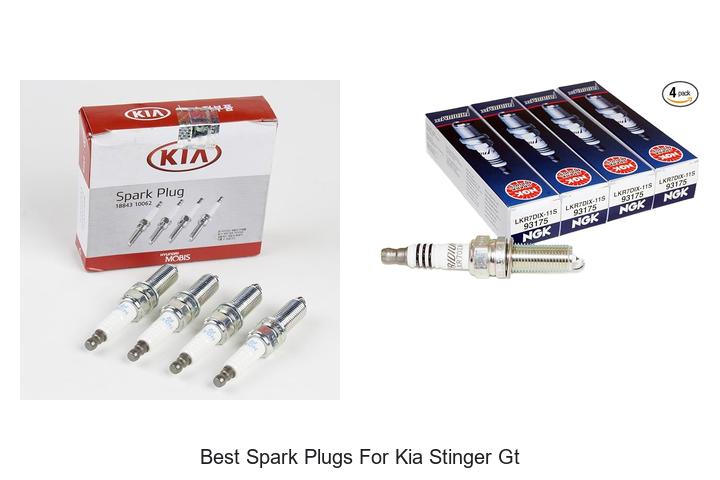
Iridium and platinum spark plugs stand out for boosting efficiency and power. Iridium plugs feature a fine, durable tip that ignites fuel more effectively, improving throttle response and fuel economy.
Platinum plugs offer longer life and stable performance due to their high melting point. You’ll also find copper spark plugs, which provide excellent conductivity and strong sparks, making them ideal for older engines or those seeking quick starts.
However, they wear out faster than iridium or platinum. Choosing the right spark plug depends on your engine type, driving habits, and manufacturer recommendations.
How Often Should You Replace Spark Plugs?
Because spark plugs play an essential role in your engine’s performance, you need to replace them regularly to keep your car running smoothly.
Generally, most spark plugs last between 30,000 to 100,000 miles, depending on the type and your vehicle’s specifications. Copper plugs wear out quicker, often needing replacement closer to 30,000 miles, while platinum or iridium plugs can last up to 100,000 miles.
You should also check your owner’s manual for manufacturer recommendations tailored to your engine. Signs like rough idling, decreased fuel efficiency, or difficulty starting indicate it’s time for new spark plugs.
Staying on top of replacements prevents engine misfires and maintains peak combustion, ensuring your car performs efficiently and reliably over time.
What Tools and Steps Do You Need to Change Spark Plugs?
You’ll need a few essential tools to change your spark plugs safely and effectively. First, gather everything before you start to avoid interruptions. Here’s what you’ll need:
- Spark plug socket with a rubber insert to protect the plug
- Ratchet wrench and extension for better reach
- Spark plug gap gauge to verify proper gap size
- Torque wrench to tighten plugs to manufacturer specs
Begin by disconnecting the battery and removing the ignition coils or wires. Use the spark plug socket and ratchet to carefully unscrew the old plugs.
Check the gap on new plugs with your gauge before installing them. Screw in new plugs by hand to avoid cross-threading, then tighten with the torque wrench.
Finally, reconnect ignition components and the battery. This process guarantees your engine runs smoothly.
How to Spot Worn or Dirty Spark Plugs
After replacing your spark plugs, it’s important to recognize the signs that indicate when they need attention again. You’ll want to remove and inspect them periodically.
Look for worn electrodes—if the edges are rounded or eroded, it’s time for a change. Black, sooty deposits signal carbon buildup, often caused by a rich fuel mixture or oil leaks. White or blistered insulators can mean overheating. Cracks or chips in the ceramic insulator also indicate damage.
If you notice any of these issues, your spark plugs aren’t firing properly. Dirty or worn spark plugs reduce engine performance and can cause misfires.
How Do Faulty Spark Plugs Affect Fuel Efficiency?
When spark plugs fail to ignite the fuel-air mixture efficiently, your engine has to work harder, which directly lowers fuel efficiency.
Faulty spark plugs cause incomplete combustion, meaning more fuel is wasted without producing power. You’ll notice your car consuming more gas and delivering less performance. Misfires can lead to rough idling and increased emissions, further reducing efficiency.
To keep your fuel economy ideal, watch out for these signs linked to bad spark plugs:
- Increased fuel consumption with no change in driving habits
- Engine misfires or hesitation during acceleration
- Rough or uneven idling
- Trouble starting the engine or frequent stalls
Addressing faulty spark plugs promptly helps maintain smooth engine operation and saves you money at the pump.
Why Heat Range and Gap Size Matter for Spark Plugs
Although spark plugs might seem simple, their heat range and gap size play crucial roles in your engine’s performance.
The heat range indicates how quickly a spark plug can dissipate heat. If the plug runs too hot, it can cause pre-ignition; too cold, and it may foul easily. Choosing the right heat range guarantees your engine runs smoothly and efficiently.
Meanwhile, the gap size—the distance between the electrodes—affects the spark’s strength. If the gap is too wide, your ignition system might struggle to produce a reliable spark, causing misfires. Too narrow, and the spark may be weak, reducing combustion efficiency.
What Are Common Spark Plug Problems and How to Diagnose Them?
Understanding heat range and gap size helps you keep your spark plugs in good shape, but issues can still arise. Common problems include fouling, wear, incorrect gaps, and overheating.
You’ll notice symptoms like engine misfires, poor fuel economy, or difficulty starting. To diagnose, inspect the plug’s tip:
- Black, sooty deposits suggest fouling from rich fuel or oil leaks.
- Worn electrodes indicate age and reduced spark efficiency.
- Too wide or narrow gaps cause weak sparks or misfires.
- White, blistered insulators point to overheating.
Use a spark plug gauge to check the gap and compare it to your vehicle’s specifications.
Regular visual checks can help you spot issues early, ensuring your engine runs smoothly without unexpected hiccups.
Tips to Keep Spark Plugs Working Their Best Longer
To keep your spark plugs performing well and lasting longer, you should stick to regular maintenance and use quality parts.
Always choose spark plugs that meet your vehicle manufacturer’s specifications to guarantee peak function. Avoid using cheap or incompatible plugs, as they can wear out quickly or cause engine problems.
Keep an eye on your engine’s performance; if you notice rough idling or reduced fuel efficiency, inspect the plugs sooner. Also, verify your ignition system is in good shape since faulty components can cause plugs to fail prematurely.
Avoid excessive idling and aggressive driving, which can increase wear.
Finally, store spare spark plugs in a dry, clean place to prevent corrosion or damage before installation.
These simple steps help you get the best life out of your spark plugs.
How to Maintain Spark Plugs for Optimal Engine Performance
Keeping your spark plugs in top shape goes beyond choosing the right parts and monitoring engine performance. Regular maintenance guarantees your engine runs smoothly and efficiently.
Start by inspecting the spark plugs every 30,000 miles or as recommended by your vehicle’s manual. Clean any carbon deposits gently to prevent misfires. Replace worn or damaged plugs promptly to maintain peak combustion.
Also, check the gap between electrodes and adjust it if necessary to guarantee a strong spark.
Remember these key maintenance steps:
- Inspect plugs for wear or deposits regularly
- Clean deposits without damaging electrodes
- Replace plugs based on mileage or performance issues
- Verify and adjust electrode gap for proper spark
Following these tips helps your engine perform at its best and extends your spark plugs’ lifespan.
Frequently Asked Questions
Can Spark Plugs Cause Engine Misfires in Cold Weather?
Yes, spark plugs can cause engine misfires in cold weather if they’re worn or dirty. You’ll notice rough idling or hesitation because cold conditions make it harder for weak sparks to ignite the fuel-air mix efficiently.
Do All Car Models Use the Same Spark Plug Size?
You don’t find a one-size-fits-all spark plug, like a Victorian top hat for every head. Different car models need specific sizes and heat ranges, so always check your owner’s manual before picking one.
How Do Spark Plugs Affect Emissions Control Systems?
Spark plugs directly impact emissions control by ensuring efficient combustion. If they misfire or wear out, unburned fuel increases, harming your catalytic converter and raising emissions. Keeping them in good shape helps your system work properly.
Can Aftermarket Spark Plugs Harm Your Car’s Warranty?
About 80% of warranty claims get denied due to improper parts. You shouldn’t worry; aftermarket spark plugs usually won’t void your warranty unless they cause damage. Always choose quality plugs to keep your coverage intact.
Are Iridium Spark Plugs Worth the Extra Cost?
Yes, iridium spark plugs are worth the extra cost because they last longer, improve fuel efficiency, and provide better performance. You’ll save money over time, even though the initial price is higher than standard plugs.
Conclusion
You rely on spark plugs to ignite power, spark motion, and fuel your drive. You watch them create sparks that leap, flames that roar, and engines that roar to life. You check their gaps, clean their tips, and replace worn parts to keep your ride smooth, steady, and strong. By understanding and caring for your spark plugs, you guarantee your car runs faster, lasts longer, and drives better every time you turn the key.