Do Bad Spark Plugs Cause Your Car to Stall?
Yes, bad spark plugs can cause your car to stall by disrupting the ignition of the fuel-air mixture, leading to engine misfires and rough running. When plugs fail, your engine struggles to maintain consistent power, which can cause stalls, especially under load. You may notice decreased fuel efficiency, difficulty starting, or unusual engine noises. If your car stalls, checking spark plugs is a smart first step. Explore further to understand symptoms, testing, and solutions.
What Role Do Spark Plugs Play in Your Engine’s Performance?
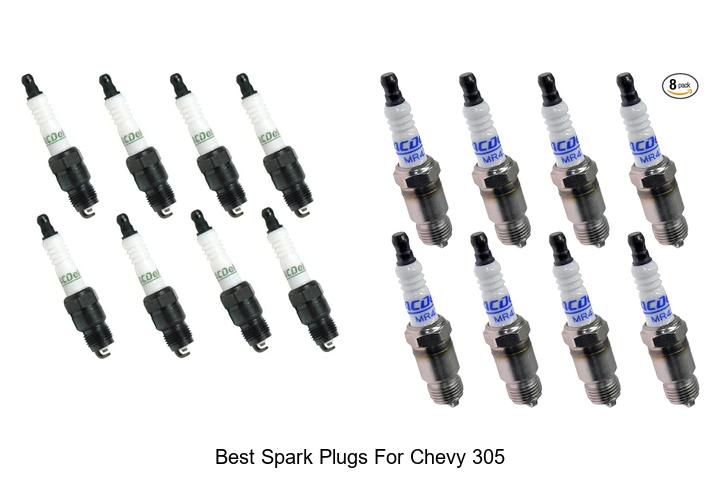
Although you mightn’t always notice them, spark plugs play an essential role in your engine’s performance by igniting the air-fuel mixture in each cylinder.
When you turn the key, your battery sends electricity to the spark plugs, which create a small but powerful spark. This spark ignites the mixture, causing a controlled explosion that pushes the piston down and generates power.
Without this precise ignition, your engine wouldn’t run smoothly or efficiently. Good spark plugs help your engine start quickly, run consistently, and deliver ideal fuel economy. They also reduce harmful emissions by ensuring complete combustion.
If your spark plugs are in good shape, you’ll experience smoother acceleration and better overall performance every time you drive.
How Do Bad Spark Plugs Make Your Car Stall?
When your spark plugs start to wear out or fail, you’ll notice your engine struggling to maintain consistent combustion. This inconsistency disrupts the power your engine produces, leading to stalling.
Here’s how bad spark plugs cause your car to stall:
- Misfiring Cylinders: Weak or no spark means some cylinders don’t fire, causing rough engine performance.
- Incomplete Combustion: Without proper ignition, fuel doesn’t burn fully, reducing engine power.
- Engine Hesitation: Your car might hesitate or jerk as the engine struggles to keep running smoothly.
- Increased Engine Load: The engine works harder to compensate, which can cause it to stall when idling or under load.
What Are the Common Signs of Failing Spark Plugs?
How can you tell if your spark plugs are starting to fail? You might notice your engine misfiring or running roughly, especially during acceleration.
Your car could hesitate or struggle to start, requiring multiple attempts. You may also experience decreased fuel efficiency, meaning you’ll find yourself at the gas station more often.
Another sign is a noticeable drop in engine power and responsiveness. Sometimes, your check engine light will come on, signaling an ignition issue.
If you hear unusual noises like knocking or pinging, these could indicate worn spark plugs. Recognizing these signs early helps you avoid bigger problems down the road and keeps your car running smoothly.
How Do Spark Plug Misfires Cause Your Car to Stall?
Noticing signs like engine misfires or rough idling often points to spark plug issues, but these problems can go beyond just performance hiccups.
When spark plugs misfire, your engine can lose power or stall unexpectedly. Here’s how misfires cause your car to stall:
- Interrupted Combustion: A misfire means the spark plug isn’t igniting the fuel-air mix properly, causing incomplete combustion.
- Engine Struggles: Without consistent sparks, your engine runs unevenly, struggling to maintain RPM.
- Fuel Build-Up: Unburned fuel can accumulate, disrupting the engine’s balance and leading to stalling.
- Increased Engine Load: The engine works harder to compensate, which can cause it to stall when under stress.
Can Dirty or Fouled Spark Plugs Lead to Stalling?
Although spark plugs play a small role in your engine, dirty or fouled plugs can cause major problems like stalling. When deposits build up on your spark plugs, they can’t create a strong enough spark to ignite the fuel-air mixture properly.
This weak spark leads to incomplete combustion, causing your engine to misfire or hesitate. If the problem worsens, your car might stall unexpectedly, especially at idle or low speeds. You’ll notice rough idling, sluggish acceleration, or difficulty starting your vehicle.
Ignoring dirty or fouled spark plugs puts extra strain on your engine and reduces fuel efficiency. To avoid stalling issues, it’s essential to check and clean or replace spark plugs when you detect signs of fouling or dirt buildup.
How Often Should You Replace Spark Plugs to Prevent Stalling?
When should you replace your spark plugs to keep your car running smoothly and avoid stalling? Generally, you should replace them every 30,000 to 50,000 miles, but this depends on your vehicle and spark plug type.
Here’s how to stay on track:
- Check your owner’s manual for manufacturer recommendations.
- Replace standard copper spark plugs around every 30,000 miles.
- Opt for iridium or platinum plugs if your car supports them—they last up to 100,000 miles.
- Consider replacement sooner if you notice symptoms like rough idling or poor fuel economy.
Sticking to these intervals helps guarantee your engine fires correctly, preventing misfires and stalling.
Regular replacement keeps your car reliable and running at its best.
How Can You Test Spark Plugs to Diagnose Stalling?
Three simple tests can help you determine if your spark plugs are causing your car to stall.
First, visually inspect each spark plug for signs of wear, such as carbon buildup, cracks, or damaged electrodes.
Next, perform a spark test by removing a plug, reconnecting it to the ignition wire, grounding it against the engine block, and watching for a strong, consistent spark when you crank the engine.
Finally, use a multimeter to check the resistance of each spark plug; a reading outside the manufacturer’s specified range indicates a faulty plug.
If any of these tests reveal problems, replacing the spark plugs might resolve the stalling issue.
Remember to test all plugs since one bad plug can disrupt engine performance.
What Other Engine Problems Mimic Spark Plug Stalling Symptoms?
If your car keeps stalling but the spark plugs check out fine, other engine problems could be at play.
These issues often mimic spark plug symptoms, making diagnosis tricky. Here are four common culprits you should consider:
- Faulty Fuel Injectors – They can disrupt fuel flow, causing rough idling or stalling.
- Dirty or Malfunctioning Mass Air Flow Sensor – This sensor misreads air intake, affecting the air-fuel mix.
- Weak or Failing Ignition Coil – Without a strong spark, the engine can hesitate or stall.
- Clogged Fuel Filter – Restricts fuel delivery, leading to engine sputtering and stalling.
Checking these parts can save you time and money by pinpointing the real cause behind your car’s stalling issues.
What Should You Do If Replacing Spark Plugs Doesn’t Fix Stalling?
Even after replacing your spark plugs, your car may continue to stall, signaling that the issue lies elsewhere. If this happens, start by checking your fuel system—dirty fuel injectors or a clogged fuel filter can cause stalling.
Next, inspect the ignition coils and wires for damage or wear, as faulty components here can disrupt engine performance. Don’t overlook the air intake system; a dirty air filter or malfunctioning mass airflow sensor can affect combustion.
Additionally, scan your car’s computer for error codes with an OBD-II reader to pinpoint problems in sensors or the engine control unit.
If you’re unsure, consult a professional mechanic who can diagnose the root cause accurately and recommend the necessary repairs to get your car running smoothly again.
How to Choose the Right Spark Plugs to Avoid Stalls
When replacing spark plugs doesn’t stop your car from stalling, it might be time to reconsider the type of plugs you’re using.
Choosing the right spark plugs can prevent stalls and improve performance. Start by checking your vehicle’s manual for the recommended plug type.
Next, consider the heat range—plugs too hot or cold can cause issues. Then, look at the electrode material; iridium and platinum last longer and spark better than traditional copper.
Finally, verify the gap matches your engine’s specifications because an incorrect gap disrupts ignition.
- Refer to your car’s manual for plug type
- Match the heat range to your engine’s needs
- Choose durable electrode material like iridium or platinum
- Set the correct electrode gap for peak ignition
Making the right choice helps avoid stalls and keeps your engine running smoothly.
Frequently Asked Questions
Can Bad Spark Plugs Affect Fuel Efficiency?
Yes, bad spark plugs can reduce your fuel efficiency because they cause incomplete combustion. When your engine misfires, it burns more fuel than necessary, so you’ll notice decreased mileage and increased fuel costs if you don’t replace them.
Do Spark Plugs Impact Car Emissions?
Yes, spark plugs impact your car’s emissions because worn or faulty plugs cause incomplete combustion, leading to higher pollutants. Replacing them guarantees efficient burning, reducing harmful emissions and helping your vehicle run cleaner and meet environmental standards.
Are There Different Spark Plugs for Diesel Engines?
Over 90% of diesel engines use glow plugs, not spark plugs. You’ll find diesel engines rely on glow plugs to ignite fuel, since they compress air to high temperatures, unlike gasoline engines that use spark plugs.
Can Weather Conditions Cause Spark Plug Failure?
Yes, weather conditions can cause spark plug failure. Extreme cold, moisture, and heat can lead to fouling or corrosion. You should regularly check and replace spark plugs to keep your engine running smoothly regardless of the weather.
How Do Spark Plugs Influence Engine Starting Time?
Spark plugs fire instantly, yet worn ones delay ignition, making your engine take longer to start. You’d expect a quick roar, but instead, your car hesitates—showing how vital healthy plugs are for swift starts.
Conclusion
You might not realize it, but those tiny spark plugs hold the key to your engine’s heartbeat. When they fail, stalling isn’t just a hiccup—it’s a warning. Imagine your car sputtering to a stop just when you least expect it. Before you panic, check those plugs carefully. Because if you ignore them, the real trouble might be just around the corner, waiting to leave you stranded. Don’t let bad spark plugs catch you off guard.