When to Change Spark Plugs on a Honda Accord: How to Do It
You should change your Honda Accord’s spark plugs every 60,000 to 100,000 miles, depending on the type of plug used. Watch for signs like engine misfires, rough idling, or decreased fuel efficiency as they mean it’s time for replacement. Use the right tools, gap the plugs correctly, and avoid over-tightening during installation. Proper spark plug care keeps your engine smooth and fuel-efficient. Keep going to discover helpful tips and common mistakes to avoid.
How Do You Know It’s Time to Change Your Honda Accord’s Spark Plugs?
How can you tell when your Honda Accord’s spark plugs need changing? Generally, you should check them around every 30,000 to 100,000 miles, depending on the type of spark plugs and your driving habits.
If you keep up with your vehicle’s maintenance schedule, you’ll know the right intervals. You can also inspect the spark plugs directly by removing them and looking for signs like heavy deposits, corrosion, or worn electrodes.
These conditions reduce spark efficiency and impact engine performance. Using OEM-recommended spark plugs guarantees peak performance and longevity.
Regular checks help prevent issues before they arise. Staying proactive with spark plug maintenance keeps your Accord running smoothly and efficiently, avoiding costly repairs down the road.
Signs Your Honda Accord’s Spark Plugs Are Worn Out
Keeping an eye on your spark plugs is key to maintaining your Honda Accord’s performance. If they start wearing out, you’ll notice changes that shouldn’t be ignored. Worn spark plugs can cause your engine to misfire, decrease fuel efficiency, and lead to rough idling.
You might also experience trouble starting your car or a noticeable loss of power when accelerating. Watch for these signs to catch problems early:
- Engine misfires or stutters during acceleration
- Decreased fuel economy despite normal driving habits
- Rough or unstable idling when the car is stopped
- Difficulty starting the engine or extended cranking time
Spotting these symptoms early helps you avoid costly repairs and keeps your Accord running smoothly.
How Often Should You Replace Spark Plugs on a Honda Accord?
Although spark plugs might seem like small components, they play a crucial role in your Honda Accord’s engine performance, so replacing them at the right intervals is important.
Generally, Honda recommends changing spark plugs every 60,000 to 100,000 miles, depending on the model year and type of spark plug installed. If your Accord has iridium or platinum plugs, they tend to last longer—closer to that 100,000-mile mark.
For older models with copper plugs, you’ll want to replace them more frequently, around every 30,000 to 50,000 miles. Always check your owner’s manual for the exact interval specific to your vehicle.
Sticking to these guidelines helps you avoid premature wear and maintains smooth engine operation without unexpected breakdowns.
Why Changing Spark Plugs Matters for Your Honda Accord’s Performance
Since spark plugs directly ignite the air-fuel mixture in your Honda Accord’s engine, worn or faulty plugs can cause misfires, reduced fuel efficiency, and sluggish acceleration. Changing them guarantees your engine runs smoothly and maintains peak performance.
When you replace spark plugs on time, you:
- Improve fuel economy by ensuring complete combustion
- Restore engine power for better acceleration
- Prevent rough idling and engine misfires
- Reduce harmful emissions for a cleaner environment
Neglecting spark plug maintenance can lead to costly repairs and decreased reliability.
Tools and Parts Needed to Change Honda Accord Spark Plugs
To change the spark plugs on your Honda Accord, you’ll need a few essential tools and parts to get the job done efficiently and correctly.
First, grab a spark plug socket—usually 5/8 inch or 13/16 inch—attached to a ratchet wrench with an extension to reach deep spark plugs. You’ll also want a torque wrench to tighten plugs to the manufacturer’s specs.
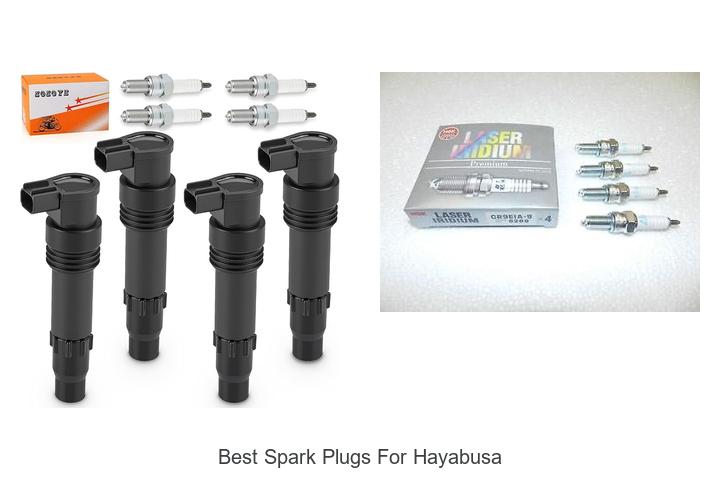
A spark plug gap tool guarantees the new plugs have the correct gap. Additionally, have a set of new spark plugs compatible with your Accord’s engine model.
Anti-seize compound can help prevent the plugs from sticking in the cylinder head, and dielectric grease protects the spark plug boots.
With these tools and parts ready, you’ll be set for a smooth spark plug replacement.
Safety and Prep Steps Before Changing Your Honda Accord’s Spark Plugs
Before you start changing your Honda Accord’s spark plugs, make certain the engine is completely cool to avoid burns and damage.
Safety is key when working on your car, so take a few prep steps to protect yourself and your vehicle. Disconnect the battery to prevent electrical shocks or accidental starts.
Gather all your tools and parts beforehand to keep the process smooth. Work in a well-ventilated area to avoid inhaling fumes. Finally, wear gloves and safety glasses for personal protection.
- Make certain the engine is cool before touching any components
- Disconnect the negative battery terminal
- Organize your tools and replacement spark plugs
- Wear protective gloves and safety glasses
These steps set you up for a safe, efficient spark plug replacement.
How to Choose the Right Spark Plugs for Your Honda Accord
Choosing the right spark plugs for your Honda Accord guarantees peak engine performance and fuel efficiency.
Start by checking your owner’s manual for the manufacturer’s recommended spark plug type and gap specifications. Honda typically suggests iridium or platinum spark plugs for their longevity and reliable ignition.
Avoid cheaper copper plugs unless specified, as they wear out faster. Consider the heat range too; using a spark plug with the correct heat rating prevents fouling or overheating.
If you’re upgrading, choose plugs compatible with your engine type—whether it’s a 4-cylinder or V6.
Finally, buy from reputable brands to guarantee quality and durability. Picking the right plugs helps your Accord run smoothly and extends your engine’s life without unexpected hiccups.
How to Remove Old Spark Plugs Safely on a Honda Accord
Start by locating the spark plugs under the hood of your Honda Accord, usually found on the engine’s cylinder head. Before you begin, verify the engine is cool to prevent burns.
Carefully disconnect the ignition coil or spark plug wire from each plug. Use a spark plug socket attached to a ratchet and extension to loosen and remove the plugs. Work slowly and steadily to avoid damaging the threads.
Keep these tips in mind:
- Use the correct socket size for your spark plugs.
- Apply anti-seize compound sparingly on the new plugs’ threads.
- Avoid cross-threading by hand-threading plugs before tightening with a tool.
- Keep the workspace clean to prevent debris entering the combustion chamber.
Following these steps helps you remove spark plugs safely and efficiently.
How to Check and Adjust Spark Plug Gaps on a Honda Accord
After removing the old spark plugs carefully, you’ll want to check their gaps to confirm ideal engine performance.
Use a spark plug gap tool or a feeler gauge to measure the distance between the center and ground electrodes. Refer to your Honda Accord’s manual for the exact gap specification, usually around 0.044 inches.
If the gap is too wide or narrow, gently adjust it by bending the ground electrode with the tool. Be cautious not to damage the electrode or insulator.
Correctly gapped spark plugs confirm efficient combustion, better fuel economy, and smoother engine operation.
Take your time during this step, as an improper gap can cause misfires or poor performance. Once adjusted, the spark plugs are ready for installation.
How to Install New Spark Plugs Correctly on Your Honda Accord
Installing new spark plugs on your Honda Accord requires careful attention to avoid damaging the threads or electrodes. First, make sure the engine is cool before you start.
Use a torque wrench to tighten spark plugs to the manufacturer’s specifications—over-tightening can strip threads, while under-tightening causes poor contact. Apply a small amount of anti-seize compound to the spark plug threads to make future removal easier.
Finally, reconnect the ignition coil or spark plug wire securely to prevent misfires.
- Verify spark plug gap matches Honda’s recommended specs.
- Clean the spark plug holes of debris before installation.
- Insert spark plugs by hand initially to avoid cross-threading.
- Recheck torque after the engine warms up.
Following these steps guarantees ideal performance and longevity.
Common Spark Plug Mistakes to Avoid on Your Honda Accord
How can you guarantee your Honda Accord’s spark plugs last longer and perform better? Avoid common mistakes like over-tightening the plugs, which can damage the threads or the plug itself.
Don’t skip the gap check—each spark plug must have the correct gap to ignite the fuel-air mixture efficiently. Using the wrong type of spark plug is another frequent error; always choose plugs specified for your Accord’s engine.
Neglecting to clean the spark plug socket before installation can introduce dirt and affect performance. Also, don’t reuse old spark plugs; they wear out and won’t deliver peak performance.
Finally, avoid rushing the job—take your time to guarantee proper installation and torque, and your spark plugs will serve you well.
How Changing Spark Plugs Improves Fuel Efficiency and Engine Smoothness
When your Honda Accord’s spark plugs wear out, they can cause misfires that reduce fuel efficiency and make the engine run rough. Changing them restores proper combustion, helping your engine perform smoothly and efficiently.
You’ll notice better throttle response and more consistent power delivery after replacement.
Here’s how new spark plugs improve your driving experience:
- Guarantee complete fuel combustion, reducing wasted fuel
- Prevent engine misfires that disrupt smooth operation
- Maintain peak ignition timing for maximum efficiency
- Reduce emissions by promoting cleaner burns
When to Seek Professional Help for Honda Accord Spark Plug Issues
If you notice your Honda Accord struggling with rough starts, decreased fuel efficiency, or unusual engine noises despite regular maintenance, it’s time to consult a professional.
These symptoms might indicate spark plug issues beyond simple replacement, such as electrical problems or engine misfires. If you’re unsure about diagnosing the problem or lack the tools to inspect spark plugs properly, seeking expert help guarantees accurate assessment and repair.
Professionals can also detect related issues like ignition coil faults or wiring damage that can mimic spark plug problems.
Don’t delay if your vehicle shows persistent performance issues after changing spark plugs yourself. A certified mechanic will save you time and prevent further engine damage, keeping your Honda Accord running smoothly and efficiently.
Frequently Asked Questions
Can Aftermarket Spark Plugs Damage My Honda Accord’s Engine?
Aftermarket spark plugs won’t damage your Honda Accord if you pick the right type and heat range. Using incorrect plugs can cause engine issues, so always choose high-quality, compatible ones to keep your engine running smoothly.
How Do Spark Plug Types Affect My Honda Accord’s Emissions?
Think of spark plugs as your Accord’s orchestra conductor; choosing the right type guarantees cleaner combustion, reducing harmful emissions. Using quality, compatible plugs helps your engine run smoothly and keeps pollution levels in check, protecting the environment.
Is It Necessary to Reset the Engine Light After Spark Plug Replacement?
Yes, you’ll need to reset the engine light after replacing spark plugs to clear any error codes. You can do this with an OBD-II scanner or by disconnecting the battery for a few minutes, then reconnecting it.
Can Weather Conditions Influence Spark Plug Wear in a Honda Accord?
Yes, weather conditions can influence spark plug wear in your Honda Accord. Extreme cold or heat stresses the plugs, causing faster wear. You should inspect them regularly, especially if you drive in harsh climates or fluctuating temperatures.
What Is the Cost Range for Professional Spark Plug Replacement on a Honda Accord?
You might expect to pay $100 to $200 for professional spark plug replacement on your Honda Accord. While that seems steep, investing now prevents costly engine damage, saving you money and hassle later on.
Conclusion
Changing your Honda Accord’s spark plugs on time keeps your engine running like a well-oiled machine—no need to rely on smoke signals or carrier pigeons to know when! By paying attention to signs of wear and following proper installation steps, you’ll boost fuel efficiency and enjoy smoother rides. Remember, if things feel tricky or confusing, don’t hesitate to call a pro. Stay ahead, and your Accord will thank you with every mile.