Why Change Spark Plugs Regularly?
You should change your spark plugs regularly because worn plugs cause engine misfires, rough idling, and make your car less fuel-efficient. When plugs degrade, they burn fuel unevenly, forcing your engine to work harder and waste gas. This leads to higher fuel costs and could cause expensive engine damage over time. Keeping your spark plugs in good shape guarantees smooth starts and better mileage. Keep going to discover how timely spark plug care saves money and protects your engine.
What Spark Plugs Do and Why They Matter
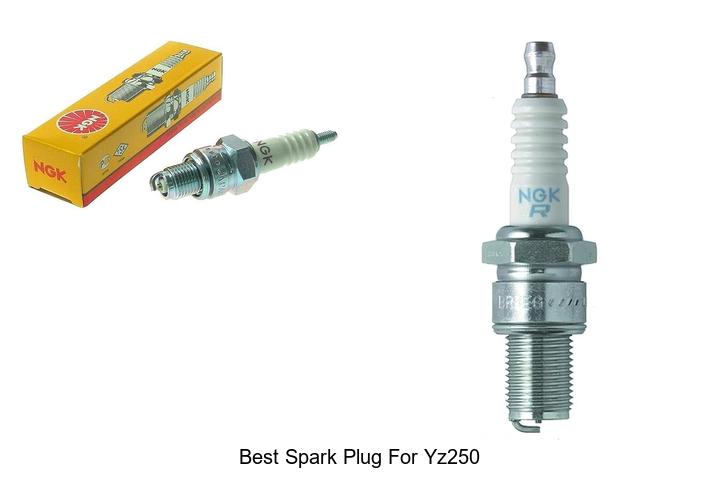
Spark plugs ignite the air-fuel mixture in your engine’s cylinders, creating the combustion needed to power your vehicle. Without this spark, your engine wouldn’t run effectively—or at all. Each plug delivers a tiny but powerful spark at just the right moment, ensuring your engine fires smoothly.
If your spark plugs work well, your car starts quickly, runs steadily, and uses fuel efficiently. They also help reduce emissions by promoting complete combustion. Over time, plugs wear out, causing misfires, rough idling, or reduced power. Understanding their role helps you appreciate why keeping them in good shape matters.
When spark plugs perform at their best, you enjoy better engine performance, improved fuel economy, and fewer costly repairs down the line. Taking care of them keeps your vehicle running at its best.
How to Spot When Spark Plugs Need Replacing
Although spark plugs can last for thousands of miles, you’ll need to replace them when your engine starts showing signs of trouble.
If your car hesitates during acceleration, misfires, or idles roughly, these are clear indicators your spark plugs may be worn out. You might also notice difficulty starting the engine or a drop in overall performance.
Another sign is increased engine vibration or a check engine light turning on. To confirm, you can inspect the spark plugs yourself—look for signs like heavy carbon deposits, worn electrodes, or cracked porcelain insulators.
If you spot any of these issues, it’s time to replace the plugs. Catching these signs early helps you avoid bigger engine problems and maintain smooth, reliable performance.
How Old Spark Plugs Lower Your Fuel Efficiency
When your spark plugs wear out, they can’t ignite the fuel-air mixture as efficiently, which directly reduces your car’s fuel economy.
You might notice your engine misfiring or running roughly, both signs that fuel isn’t burning completely. This incomplete combustion forces your engine to work harder, guzzling more fuel to maintain power.
Here’s how old spark plugs impact fuel efficiency:
- Misfires Increase Fuel Consumption – Every misfire wastes fuel that doesn’t contribute to forward motion.
- Reduced Combustion Efficiency – Old plugs create weaker sparks, causing partial fuel burns.
- Engine Strain – Your engine compensates by injecting extra fuel, further lowering miles per gallon.
Risks of Delaying Spark Plug Replacement
If you put off replacing your spark plugs, you risk more than just reduced fuel efficiency. Worn plugs can cause your engine to misfire, leading to rough idling and sluggish acceleration. This not only affects your driving experience but also puts extra strain on your ignition system, potentially causing costly damage.
Over time, carbon deposits build up, making it harder for the spark to ignite the fuel-air mixture properly. This can increase harmful emissions and contribute to engine knocking, which damages internal components. Ignoring spark plug maintenance may also lead to starting problems, leaving you stranded unexpectedly.
How Often Should You Replace Spark Plugs?
Since spark plugs play an essential role in your engine’s performance, knowing how often to replace them can save you from costly repairs. Typically, replacement intervals depend on your vehicle and spark plug type. Most standard plugs last about 30,000 miles, while newer iridium or platinum plugs can go up to 100,000 miles.
To stay on track, consider these guidelines:
- Check your owner’s manual for manufacturer recommendations.
- Inspect spark plugs during routine maintenance—look for wear or buildup.
- Replace plugs if you notice symptoms like rough idling, poor fuel economy, or difficulty starting.
Types of Spark Plugs Compared
Although all spark plugs serve the same basic function, their materials and designs can affect your engine’s efficiency and longevity. You’ll find several types, including copper, platinum, and iridium spark plugs.
Copper plugs offer excellent conductivity but wear out faster, making them less ideal for modern engines. Platinum plugs last longer and resist corrosion better, giving you more mileage between changes. Iridium plugs are the most durable, providing superior performance and longevity, but they come at a higher cost.
There are also double platinum and multi-electrode designs, which improve ignition stability and lifespan. Understanding these differences helps you appreciate why regular replacement matters—wear and deposits reduce your spark plugs’ effectiveness, directly impacting engine performance and fuel economy.
How to Choose the Right Spark Plugs
Choosing the right spark plugs depends on your vehicle’s make, engine type, and driving habits. To pick the best plugs, start by consulting your owner’s manual—it provides specifications tailored for your engine.
Next, consider the type of spark plug material, such as copper, platinum, or iridium, each offering different durability and performance levels. Finally, think about your driving style: if you often drive in stop-and-go traffic or tow heavy loads, you might need plugs designed for higher heat tolerance.
Here’s a quick guide to help you decide:
- Check manufacturer specs to match plug size and heat range.
- Select the material based on longevity and budget.
- Match plugs to your driving conditions for peak engine efficiency and performance.
Choosing wisely guarantees smoother starts and better fuel economy.
How to Change Spark Plugs: Step-by-Step
Changing spark plugs involves a few straightforward steps that you can complete with basic tools in under an hour.
First, make certain your engine is cool. Locate the spark plugs by removing the spark plug wires or ignition coils carefully.
Use a spark plug socket and ratchet to loosen and remove each plug. Check the new plugs for correct gap size, adjusting if necessary with a gap tool.
Insert the new spark plugs by hand to avoid cross-threading, then tighten them with the socket—don’t over-tighten. Reattach the spark plug wires or coils securely.
Repeat for each spark plug. Finally, start your engine to verify it runs smoothly.
With these steps, you’ll improve your engine’s performance and efficiency in no time.
Why Changing Spark Plugs on Time Saves You Big Repair Costs
If you keep your spark plugs in good condition, you’ll avoid costly engine repairs down the line. Neglecting timely changes can cause your engine to misfire or run inefficiently, leading to damage that’s expensive to fix.
By replacing spark plugs on schedule, you protect your engine and save money.
Here’s how timely spark plug changes save you big:
- Prevents ignition system damage, which can cost hundreds to repair.
- Avoids buildup that forces the engine to work harder, reducing overall lifespan.
- Stops fuel inefficiency that leads to costly fuel system repairs.
Changing spark plugs is a small investment that keeps your engine healthy and repair bills low.
Don’t wait—stick to your maintenance schedule and save yourself from expensive headaches.
How Worn Spark Plugs Affect Engine Performance
Neglecting spark plug maintenance doesn’t just risk costly repairs—it also directly impacts how your engine performs.
When spark plugs wear out, they struggle to ignite the fuel-air mixture efficiently. This causes your engine to misfire, lose power, and run roughly. You’ll notice slower acceleration and reduced fuel efficiency because the combustion process isn’t optimized.
Worn plugs can also increase emissions, harming the environment and potentially causing your vehicle to fail emissions tests. Over time, the strain from poor ignition can lead to further engine damage.
By keeping your spark plugs in good shape, you guarantee smooth starts, consistent power, and better overall engine health.
Don’t let worn spark plugs drag down your car’s performance and reliability.
How Changing Spark Plugs Saves You Money in the Long Run
While regular spark plug replacement might seem like a small task, it can save you significant money over time.
By keeping your spark plugs in good condition, you improve fuel efficiency, avoid costly repairs, and extend your engine’s lifespan. Here’s how:
- Better Fuel Economy: Clean spark plugs ignite fuel more efficiently, reducing wasted gas and lowering your fuel bills.
- Prevent Engine Damage: Worn plugs cause misfires, which can damage your catalytic converter—a pricey component to replace.
- Avoid Expensive Repairs: Regularly changing spark plugs keeps your engine running smoothly, preventing breakdowns and costly mechanic visits.
Frequently Asked Questions
Can Bad Spark Plugs Cause Engine Misfires?
Yes, bad spark plugs can cause engine misfires. When they don’t ignite the fuel properly, your engine runs rough, wastes fuel, and loses power. You’ll notice hesitation, poor acceleration, and increased emissions if you don’t replace them.
Do Spark Plugs Affect Car Emissions?
Yes, spark plugs affect your car’s emissions. Worn or faulty plugs cause incomplete combustion, increasing harmful pollutants. By keeping them in good condition, you help your engine run cleaner and reduce your vehicle’s environmental impact.
Are Iridium Spark Plugs Better Than Platinum?
Yes, iridium spark plugs generally outperform platinum ones. You’ll notice better durability and improved ignition, thanks to iridium’s higher melting point and finer electrode. So, you’ll enjoy enhanced performance and longer replacement intervals.
Can Spark Plugs Be Cleaned Instead of Replaced?
Yes, you can clean spark plugs if they’re just dirty or fouled lightly. But if they’re worn or damaged, cleaning won’t help much—you’ll need to replace them to keep your engine running smoothly.
How Do Spark Plugs Differ in Diesel Engines?
Picture a roaring diesel engine—unlike gasoline engines, diesel engines don’t use spark plugs; they rely on glow plugs to heat the combustion chamber. So, you won’t find traditional spark plugs in diesel engines at all.
Conclusion
Regularly changing your spark plugs keeps your engine running smoothly and saves you money. Imagine Sarah, who ignored her old spark plugs until her car sputtered and gas mileage dropped. After replacing them, her engine regained power, and fuel efficiency improved, preventing costly repairs. By staying on top of spark plug maintenance, you avoid breakdowns, boost performance, and cut expenses—making it a smart, simple step to protect your vehicle and wallet.