What Do Bad Spark Plugs Look Like?
You’ll know your spark plugs are bad if you see cracked or chipped ceramic insulators, heavy black soot from carbon buildup, oily deposits, or electrodes that look worn down or blistered. These issues cause misfires, rough idling, and poor fuel efficiency. If your engine feels sluggish or struggles to start, the spark plugs might be the culprit. Keep an eye out for these signs, and you can learn what else to watch for to keep your engine running smoothly.
What Normal Spark Plugs Should Look Like
A normal spark plug shows signs of healthy engine performance. When you inspect it, you’ll notice a light tan or grayish color on the ceramic insulator and electrode. This coloration indicates proper combustion and efficient fuel burning.
The electrode should be smooth and free of deposits, cracks, or excessive wear. You won’t see heavy carbon buildup, oil, or soot on the plug. Its metal parts should look clean without corrosion or damage. The gap between the electrodes remains consistent, ensuring a strong spark.
When your spark plugs look like this, your engine runs smoothly, starts easily, and maintains good fuel efficiency. Regular inspection helps you confirm your spark plugs are in good shape, preventing unexpected engine troubles.
Visual Signs of Bad Spark Plugs
Several clear visual signs can help you identify bad spark plugs before they cause serious engine problems.
When you remove a spark plug, look for cracks or chips in the ceramic insulator; these indicate physical damage that will affect performance.
Black soot covering the electrode suggests carbon fouling, signaling incomplete combustion.
If you see oil deposits on the plug, it means oil is leaking into the combustion chamber.
Excessive wear on the electrode, like rounded or eroded edges, reduces spark efficiency and indicates the plug is past its prime.
Additionally, a white, blistered appearance may mean the plug is overheating.
Common Signs of Fouled Spark Plugs
When your engine starts misfiring or hesitating during acceleration, fouled spark plugs might be the culprit. These plugs can accumulate deposits or wear down, disrupting the spark needed for efficient combustion.
You might notice your vehicle struggling to start or a noticeable drop in fuel efficiency. Additionally, rough idling or engine stalling can indicate that the spark plugs aren’t firing correctly.
Here are common signs to watch for:
- Decreased engine performance, such as sluggish acceleration
- Increased fuel consumption due to incomplete combustion
- Rough or uneven engine idle that feels unstable
If you spot any of these symptoms, it’s a good idea to inspect your spark plugs and consider cleaning or replacing them to restore smooth engine operation.
Why Carbon Buildup Hurts Spark Plugs
If you’ve noticed signs of fouled spark plugs, carbon buildup often plays a significant role in the problem.
This buildup forms when unburned fuel and oil residues accumulate on the spark plug’s electrodes, creating a layer of soot. That layer disrupts the spark plug’s ability to produce a strong, consistent spark.
When the spark weakens, your engine misfires, runs rough, or loses power. Carbon deposits also increase the plug’s resistance, requiring more voltage to ignite the fuel-air mixture.
Over time, this strain can damage the ignition system and reduce fuel efficiency.
To keep your engine running smoothly, you’ll want to clean or replace spark plugs showing carbon buildup, ensuring they deliver a clean, reliable spark every time.
Signs of Oil-Fouled Spark Plugs
Oil-fouled spark plugs exhibit distinct signs that can help you identify the issue early. When oil leaks into the combustion chamber, it coats the spark plug, affecting performance and causing misfires. You might notice your engine running rough or struggling to start.
Visually, the spark plug will have a wet, oily appearance that’s hard to miss.
Look out for these key signs:
- Dark, shiny deposits on the electrode and insulator
- Persistent misfires or rough idling
- Decreased fuel efficiency and power loss
If you spot these symptoms, it’s essential to address the underlying oil leak and replace the spark plugs. Ignoring oil fouling can lead to more serious engine problems down the road.
What Worn or Eroded Spark Plug Electrodes Look Like
Besides oil fouled spark plugs, worn or eroded electrodes can also cause engine issues. When you inspect your spark plugs, look closely at the electrode tips. If they appear rounded, thinned, or have noticeable gaps wider than specified, that’s a sign of wear.
Erosion happens over time as the electrode material gradually wears away, which reduces the spark’s intensity and efficiency. You might also notice a rough or pitted surface on the electrodes instead of a sharp, clean edge.
This wear leads to misfires, poor fuel economy, and sluggish engine performance. If your spark plugs show these signs, it’s time to replace them to restore proper ignition and avoid further engine troubles.
Regularly checking your plugs helps keep your engine running smoothly.
How Overheating Damages Spark Plugs
When spark plugs overheat, they suffer damage that can quickly degrade engine performance. You’ll notice that excessive heat causes the electrode and insulator to wear prematurely, leading to misfires and rough idling.
Overheating can also cause the spark plug to become glazed or cracked, which impairs its ability to create a consistent spark.
Here are key ways overheating damages spark plugs:
- Electrode erosion: The electrode melts or wears down, increasing the gap and weakening the spark.
- Insulator damage: Cracks or glazing on the ceramic insulator reduce spark efficiency and can lead to misfires.
- Pre-ignition risk: Overheated plugs can ignite the fuel-air mixture too early, causing engine knocking and potential damage.
Keeping spark plugs within their temperature range is essential for reliable engine function.
Reading Spark Plug Gaps and Electrodes
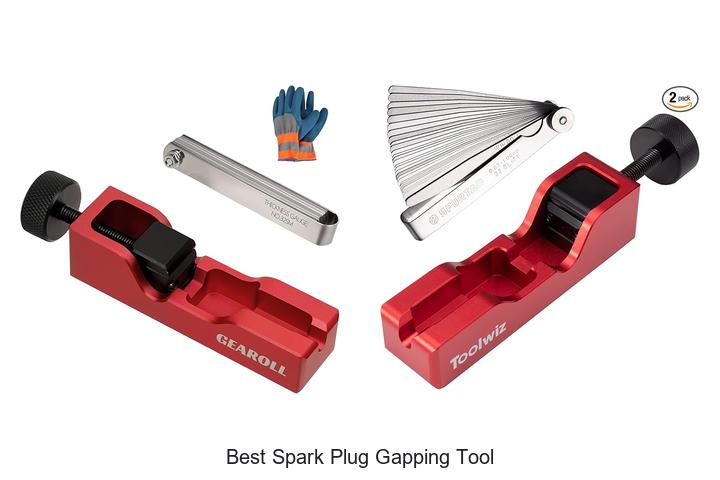
Although spark plug gaps might seem small, they play an essential role in engine performance. You need to measure the gap between the center and ground electrode carefully. If the gap is too wide, the spark can struggle to jump, causing misfires and rough idling. If it’s too narrow, the spark may be weak, reducing efficiency. Use a feeler gauge to check the gap against your vehicle’s specifications.
Next, inspect the electrodes themselves. The center electrode should have a clean, even surface without heavy deposits or erosion. If the tip looks rounded or worn down, the spark plug won’t fire correctly.
Checking Spark Plugs for Cracks and Damage
Once you’ve checked the spark plug gaps and electrode condition, the next step is to examine the spark plugs for any cracks or physical damage. Cracks can cause misfires or poor engine performance, so you need to spot them early.
Carefully inspect the ceramic insulator and metal shell for any signs of wear or fractures. Also, look for:
- Hairline cracks or chips on the ceramic insulator, which indicate thermal stress or impact damage
- Corrosion or rust on the metal parts that can affect conductivity
- Any deformation or broken electrodes that disrupt the spark generation
If you find any of these issues, you know the spark plug isn’t functioning properly and might cause engine problems down the line.
When to Replace Spark Plugs
How do you know it’s time to replace your spark plugs? If your engine is misfiring, struggling to start, or showing decreased fuel efficiency, it’s a strong sign.
Also, check your owner’s manual for the recommended replacement interval, typically between 30,000 and 100,000 miles, depending on the spark plug type.
If you spot visible wear, heavy deposits, or corrosion during inspection, don’t wait to swap them out. Ignoring worn spark plugs can lead to poor engine performance and increased emissions.
Replacing them promptly guarantees smooth operation and prevents further damage. Regularly maintaining your spark plugs keeps your vehicle running efficiently and saves you from costly repairs down the road.
Trust your instincts—if something feels off, it might be time for new spark plugs.
Frequently Asked Questions
How Often Should I Check My Spark Plugs?
You should check your spark plugs every 30,000 miles or once a year, whichever comes first. If your engine misfires or fuel efficiency drops, inspect them sooner to avoid bigger problems down the road.
Can Bad Spark Plugs Affect Fuel Efficiency?
Yes, bad spark plugs can reduce your fuel efficiency by up to 30%. When they misfire, your engine burns fuel less effectively, making you spend more at the pump. Keep them in good shape to save money!
What Tools Do I Need to Replace Spark Plugs?
You’ll need a spark plug socket, ratchet wrench, extension bar, and a torque wrench. Also, grab a gap gauge to check spacing and some anti-seize compound. Gloves and safety glasses are smart, too.
Are Spark Plugs the Same for All Car Models?
No, spark plugs aren’t the same for all car models. You’ll need to check your vehicle’s manual or parts guide to find the right type, size, and heat range to guarantee proper fit and performance.
Can Bad Spark Plugs Cause Engine Misfires?
Yes, bad spark plugs cause about 15% of engine misfires. If your engine stutters or hesitates, you should check and replace your spark plugs promptly to restore smooth performance and avoid further damage.
Conclusion
Now that you know what bad spark plugs look like, you can spot trouble before it snowballs. Keep an eye out for carbon buildup, oil fouling, cracks, or uneven gaps—these signs mean it’s time for a change. Don’t let worn spark plugs leave you stranded; a quick check can save you from bigger headaches down the road. Remember, a stitch in time saves nine when it comes to keeping your engine running smoothly!